
February 20, 2020, Revised August 1, 2025
Shark finning is the abhorrent and wasteful practice of cutting off a shark’s fins and discarding the shark, often still alive, back into the ocean to drown or bleed to death. Shark populations are crashing globally and the demand for shark fin soup is putting the nail in the coffin for many species. However, this is only part of the problem. Sharks are being overfished globally, largely driven by the profit from shark fins to make shark fin soup. However, a global increase in shark fishing is leading to increased pressure on shark populations, particularly on coastal populations that have been previously not been commercially fished.
100 Million – Sharks killed annually for fins*
$650 – USD/Kg Value of Shark Fins
41- Countries Ban Shark Finning
33% – Shark Species Threatened or Near Extinction Globally
10 – Years to Extinction for Some Species
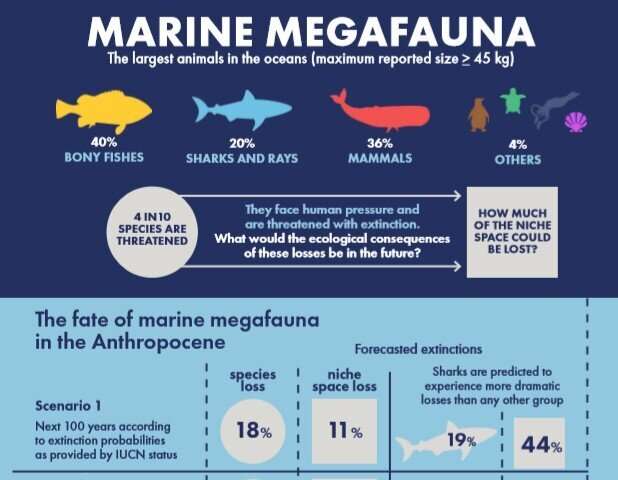
“Forty percent of marine megafauna are threatened with extinction, and sharks are predicted to experience the greatest loss.”
Pimiento et el. 2020, Sciences Advances
The United States made shark finning illegal with the Shark Finning Prohibition Act of 2000, which was later updated by the Shark Conservation Act of 2010. The 2000 act prohibited the possession of shark fins without the corresponding carcass in U.S. waters and by U.S. flagged vessels in international waters. Over 100 countries have banned shark finning in some capacity, with around 40 having comprehensive bans on finning, shark fishing, or the shark fin trade. These bans are created to intervene with overfishing sharks driven by the decline in shark populations due to the demand for shark fin soup.
Unfortunately, overfishing sharks is still a major problem globally, driven by the shark fin trade and for meat and other produts like skin, teeth and squalene. This is a critical time for the survival of sharks. Sharks serve key roles in ecosystems, including the consumption of large amounts of biomass, transporting nutrients across habitats, connecting ocean ecosystems, and physically modifying habitats.

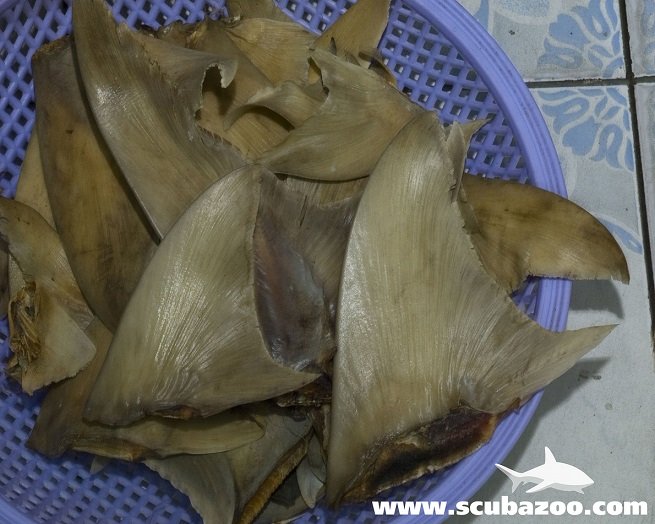
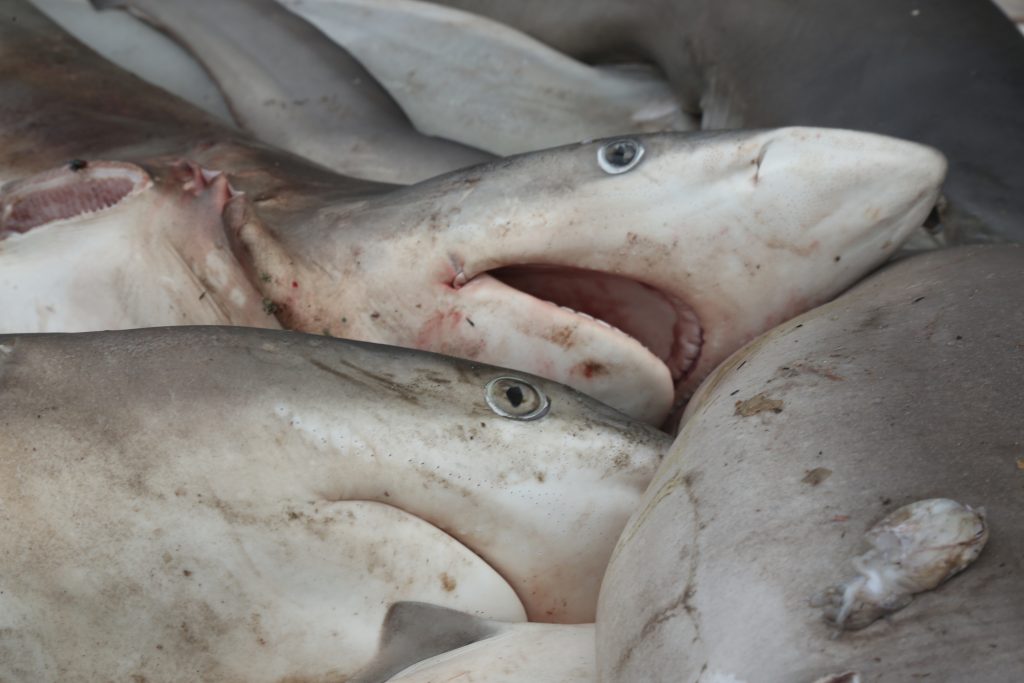
Consumers Drive the Cruelty
Shark finning and the shark fin trade is cruel, wasteful and destroying shark populations. Killing a shark just for its fins is illegal in US waters, but fins from sharks that are legally caught are exported. These mix with sharks finned on the high seas, or caught illegally or unsustainably by other nations imported into US states and then re-exported to Asia. Many countries do not have laws against shark finning at all, or like Mexico weakly enforce them, threatening migratory species like blue sharks. Shark finners or unregulated shark fisheries from other nations are profiting by trading through US ports.
The USA is Complicit in the Shark Fin Trade
Since 2006 Shark Stewards has been a leader in reducing the shark fin trade and raising awareness about the plight of sharks. Help us stop the slaughter by reducing the demand for this unnecessary luxury and stopping the shark fin trade. This damaging trade in the U.S. contributes to plummeting shark populations across the globe. We are working to make these blood diamonds of the ocean illegal and save sharks from extinction.
Globally, pirate nations like Taiwan in the Pacific and Spain in the Atlantic are overfishing sharks through Illegal, Unreported and Unregulated practices called IUU. One study** estimates 20% of all fishing is IUU with a total value worldwide between $10 billion and $23.5 billion annually, representing between 11 and 26 million metric tons.
Agnew et al, 2009
Stop IUU Fishing, Consumer Choice
Shark finning is an egregious example of IUU fishing. Shark Stewards works to regulate longline and gill-net fisheries in the Pacific and Atlantic by participating on Regional Fisheries Management Councils to reduce bycatch of sharks and IUU fishing, We have worked at CITES to support listing threatened and endangered species of sharks like scalloped hammerheads and at the United Nations to combat Illegal, Unreported and Unregulated (IUU) fishing e.g. fish bombing and shark finning.
Consumers can avoid unsustainable seafood by following guidelines provided by Monterey Bay’s Seafood Watch program, and avoiding eating large predatory fish like swordfish, blue fin tuna and especially shark fin soup.
Avoid products from companies that are known to sell illegally caught fish products, trans-shipping fish or that are known to practice unfair labor practices. One such company is FCF has a deplorable record of brutal labor and illegal fishing practices including shark finning. Shark Stewards is targeting this company urging legal sanctions. Consumers can prevent shark finning and IUU fishing by boycotting FCF-owned Bumble Bee Foods.
References
*Boris Worm et al.c,Global shark fishing mortality still rising despite widespread regulatory change.Science383,225-230(2024).DOI:10.1126/science.adf8984
**Pimiento, C. et al. Functional diversity of marine megafauna in the Anthropocene,” Science Advances 17 Apr 2020: Vol. 6, no. 16
***Agnew DJ, Pearce J, Pramod G, Peatman T, Watson R, Beddington JR, et al. (2009) Estimating the Worldwide Extent of Illegal Fishing. PLoS ONE 4(2): e4570. https://doi.org/10.1371/journal.pone.0004570