

Join marine biologist David McGuire, director of the non-profit Shark Stewards, on a walking tour around Berkeley’s Aquatic Park. Learn about the history of this urban waterway, human use, and the wildlife of the park.
Read MoreGreater Farallones National Marine Sanctuary Adventures
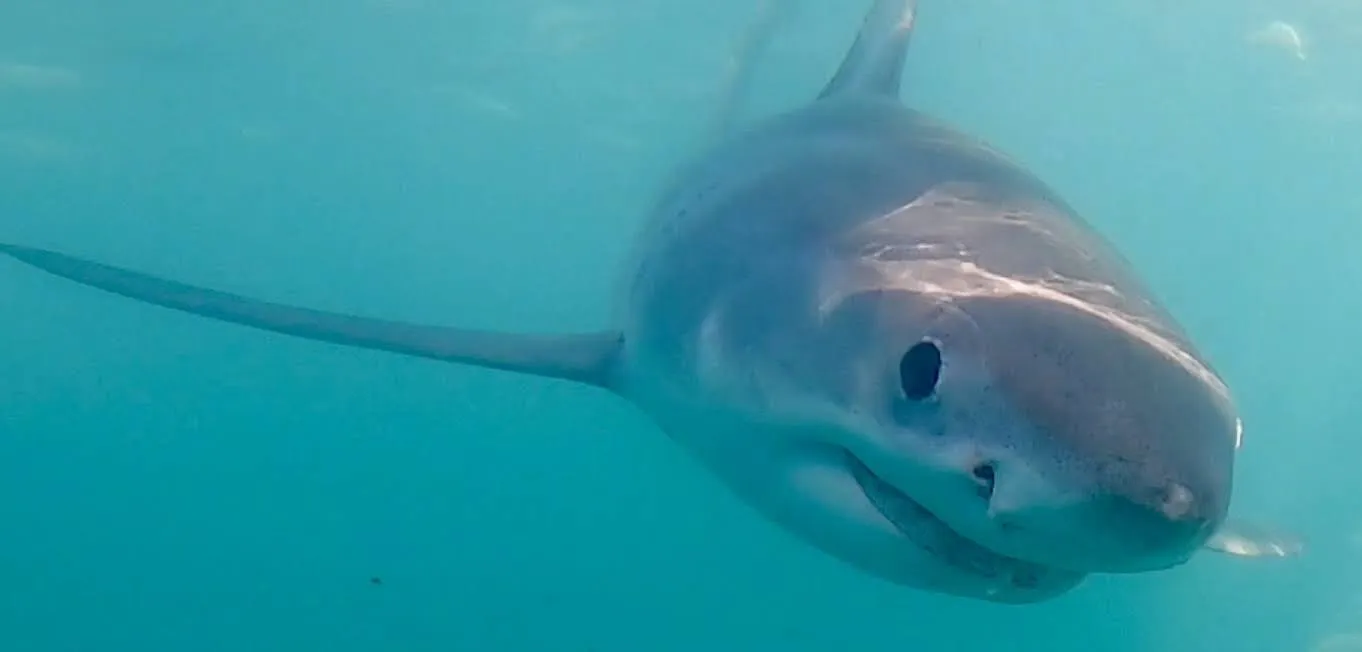
Take an adventure into the Greater Farallon National Marine Sanctuary and experience whales, seabirds, maybe even a great white shark!
Read MoreNew Executive Order Threatens Decades of Shark and Ocean Protection in USA Waters
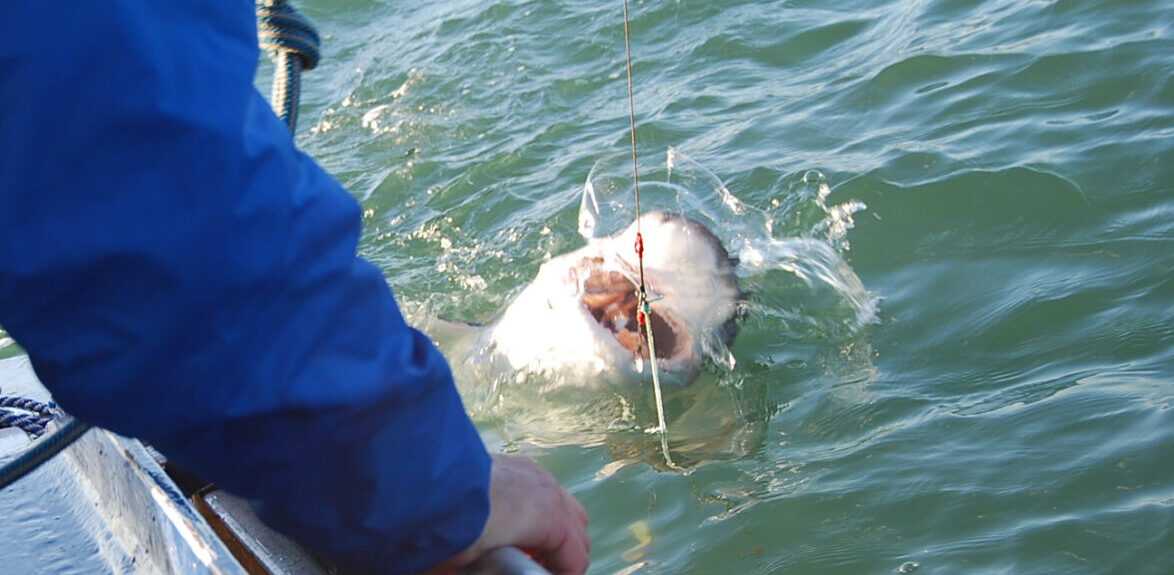
A new directive from the White House threatens to undo decades of hard-won marine conservation in the name of deregulation. President Trump’s recently signed Executive Order, titled “Restoring American Saltwater Angling and Recreation,” takes direct aim at the federal fisheries management systems that protect important marine habitat and our most vulnerable marine species, including sharks.
Under the guise of eliminating “unnecessary restrictions” and cutting red tape for recreational anglers and charter businesses, the administration is actively dismantling the safety nets that prevent overfishing and habitat destruction.
Read More2026 Coastal & Estuarine Summit
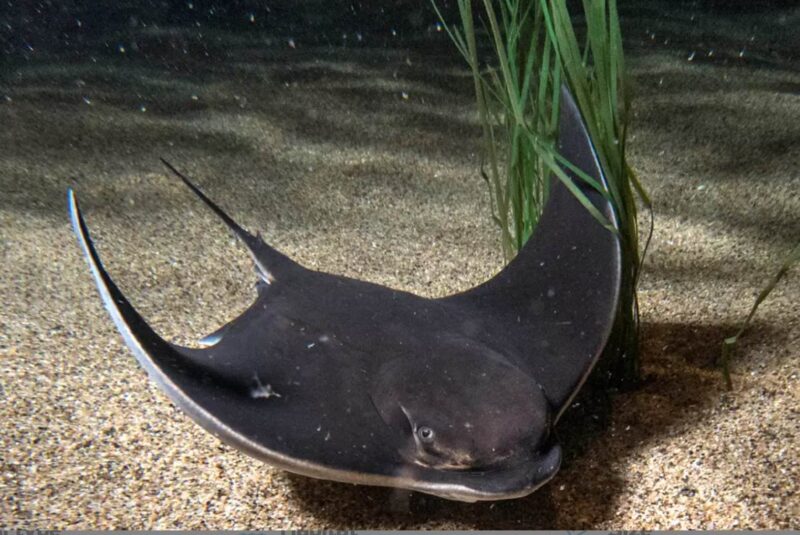
Join Shark Stewards at the 2026 Coastal & Estuarine Summit where we will be presenting a poster on shark and ray morbidity and mortality from disease in the San FRancisco Bay, and our monitoring results at Berkeley’s Aquatic Park.
Read MoreSharktober Cleanup Aquatic Park

Join us for our monthly cleanup at Aquatic Park and celebrate sharks this Sharktober!
Read MoreBay Area Science Festival – Shark Exhibit and Activities

Join us for shark activities including how the Ampulla of Loenzini work, and a live dissection with Shark Stewards at the Bay Area Science Festival San Francisco.
Read MoreFinning Bans Alone Are Not Enough: End the Overfishing and Trade Driving Shark Declines

A new Nature Communications analysis finds that shark-finning regulations, while important, have not produced a statistically significant change in global shark-product exports, imports, domestic consumption, or trading partnerships. The study by UCSB researchers McDonald et. al result is a clear warning: preventing the wasteful act of finning at sea must be paired with enforceable fishing limits and meaningful controls on the shark-fin trade. What does this mean for the sharks?
Read MoreLetter to NOAA Against Opening Fishing in the Papahānaumokuākea
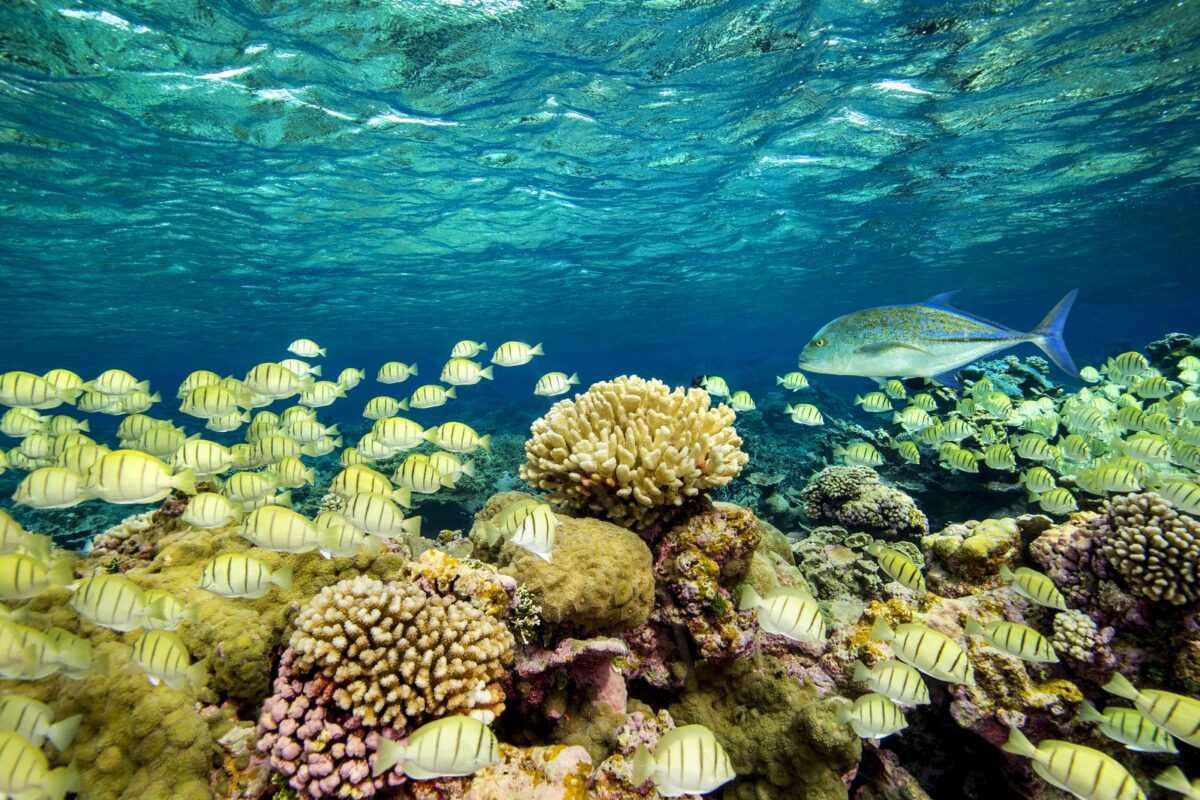
I am writing to express our strenuous opposition to the recent final action taken by the Western Pacific Regional Fishery Management Council (WPRFMC) to restore commercial fishing within the Pacific Remote Islands, Rose Atoll, Marianas Trench, and Papahānaumokuākea Marine National Monuments. This recommendation to allow longline and purse seine fishing within 50–200 nm of these protected areas is a direct assault on some of the world’s last remaining intact marine ecosystems and must be rejected by NOAA Fisheries.
Read MoreShark Attacks: Separating Shark Fact from Fiction
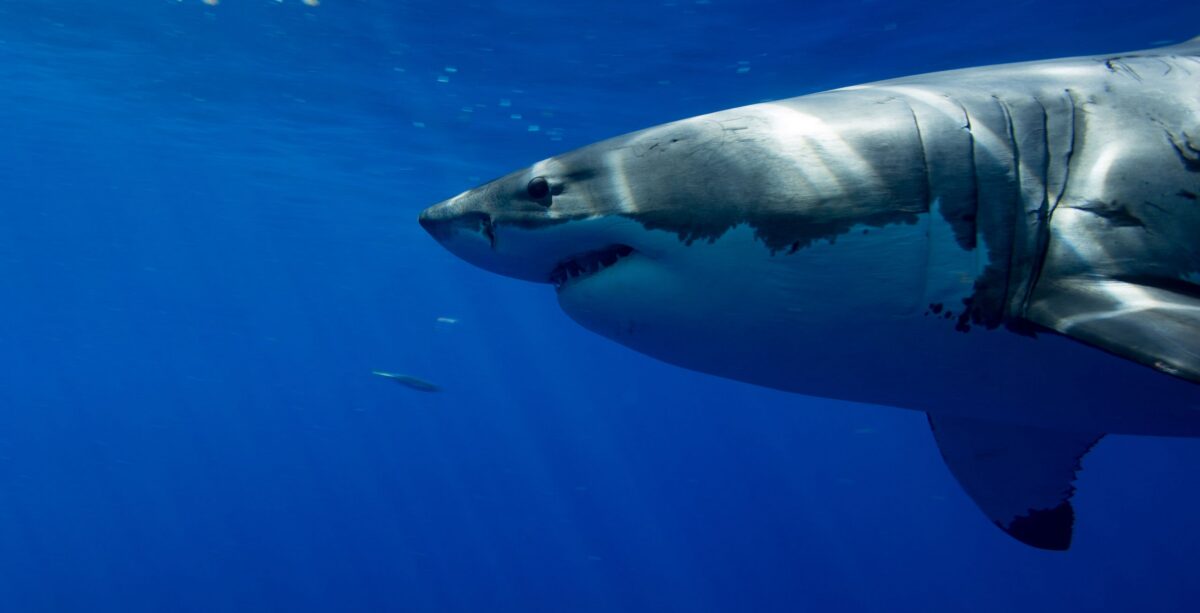
This week we are celebrating Shark Week to recognize the importance of sharks to marine ecosystems and the threats shark populations face in the global ocean.
Read MoreOcean Fest for Shark Week at Jackʻs Diving Locker
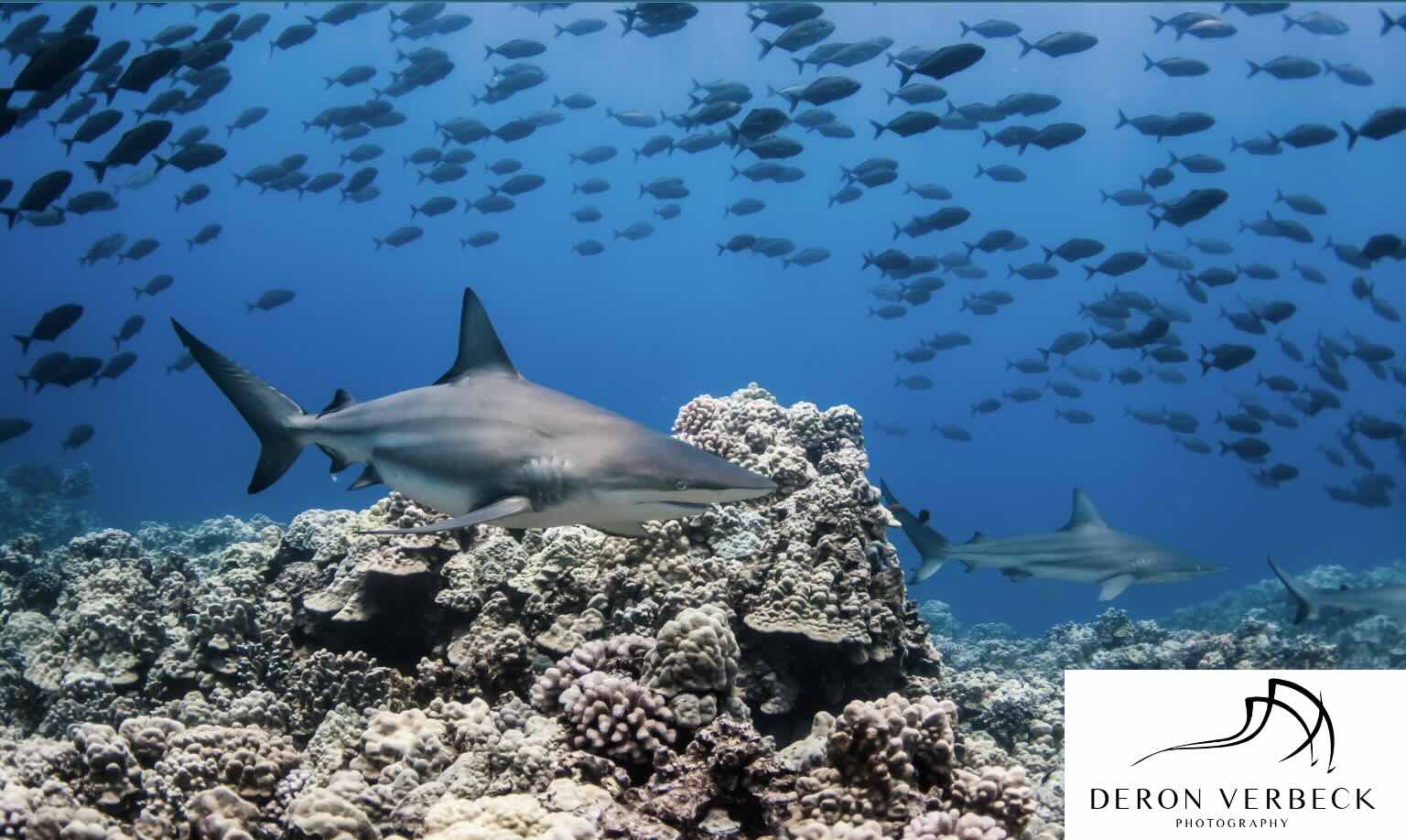
Join Shark Stewards at Jackʻs Ocean Faor in Kailua- Kona celebrating 45 years of serving the big Islandʻs dive community.
Read More