
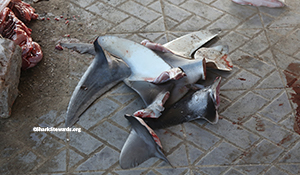
A new Nature Communications analysis finds that shark-finning regulations, while important, have not produced a statistically significant change in global shark-product exports, imports, domestic consumption, or trading partnerships. The study by UCSB researchers McDonald et. al result is a clear warning: preventing the wasteful act of finning at sea must be paired with enforceable fishing limits and meaningful controls on the shark-fin trade. What does this mean for the sharks?
Read MoreTurning the Tide: Why the Stop Illegal Fishing Act is Crucial for Sharks and Human Rights
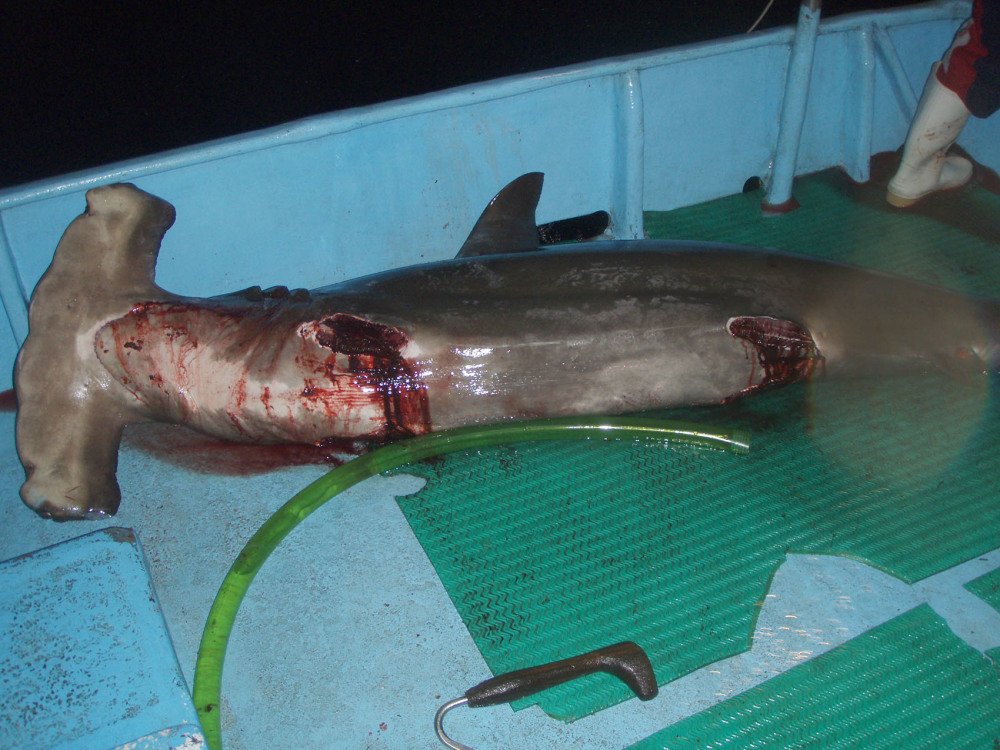
Every year, an invisible war is waged across the global ocean. Out of sight and far from shore, rogue fishing vessels plunder marine ecosystems, pushing vulnerable species to the brink of extinction. This is Illegal, Unreported, and Unregulated (IUU) fishing, a global criminal enterprise worth an estimated $23 billion annually. H.R. 6338: The Stop Illegal Fishing Act is a bold, necessary step toward real accountability on the high seas. Introduced in the 119th Congress, this bill targets the financial lifelines of ocean poachers.
Read MoreEndangered Sharks and Rays in the News
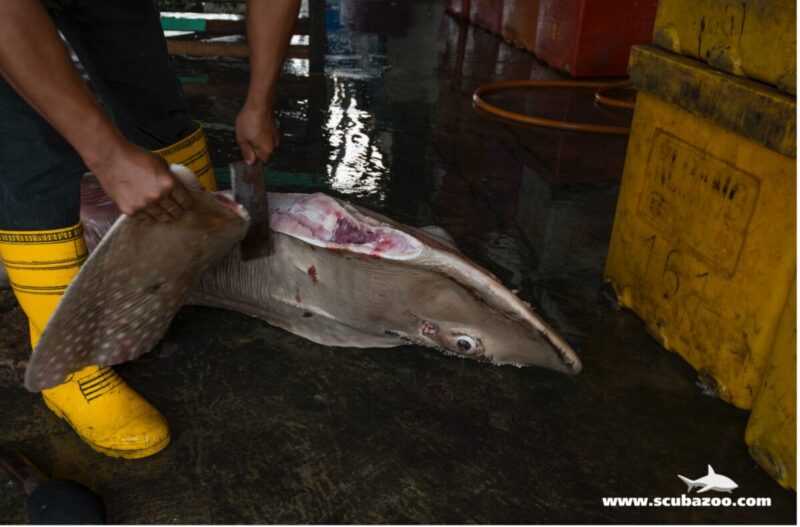
Endangered Species Month Launched as Scientists Warn of Hundreds of Species of Rays and Skates at Risk From Overfishing and Habitat Loss.
NOAA Proposes More Shark Fishing in Atlantic as SHARKED Act Swims in Senate
Rays in Hot Water: Sharks International Conference
An early off-cited alert 2015 study by Dr. Boris Worm of Dalhousie University warned that around 100 million sharks were killed each year, primarily by the shark fin trade. However MacNeil ‘s team estimates that nearly twice as many rays — 191 million — are killed annually, in work that has yet to be peer reviewed.
Read MoreUrgent Measures Taken for Endangered Hammerheads
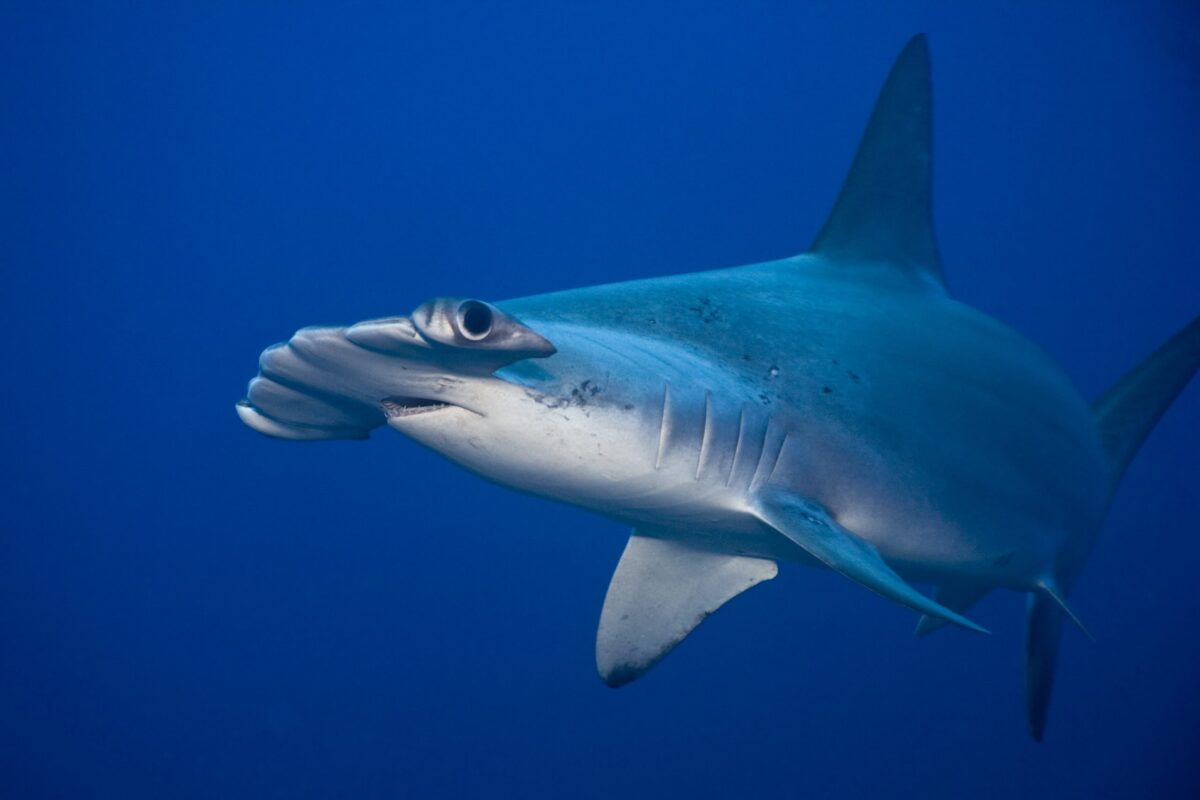
Governments at the Convention on the Conservation of Migratory Species of Wild Animals (CMS) have agreed to significant new protections for some of the world’s most endangered species of large sharks.
The decisions adopted at the the 15th Conference of the Parties (CoP15) in Campo Grande, Brazil last week included new listings of Hammerhead and Thresher sharks on CMS Appendix, I, the highest amount of protection provided internationally.
Read MoreHope for the Soupfin Shark: CITES Protection and the Fight Ahead

For far too long, the soupfin shark has faced a relentless onslaught of threats, pushing its global populations to the brink. At the latest Conference of the Parties to CITES (Convention on International Trade in Endangered Species of Wild Fauna and Flora), soupfin sharks achieved international protection from trade.
Read MoreBasking Shark-California’s Biggest Fish

International Basking Shark Day Recognizes the Second Largest Fish, and Works to Protect Them
The basking shark (Cetorhinus maximus) is the second-largest living shark. It is one of three plankton-eating shark species, along with the whale shark and megamouth shark.
Read MoreHope for the High Seas- New Global Treaty Signed

In the Northeast Pacific, adult white sharks annually migrate far from USA and Mexican protection and are vulnerable to being killed as bycatch on international longliners or shark finning on the high seas. This is one of the reasons we celebrate their return to Sanctuary during Sharktober each year!
Read MoreGreat Whites on the Rise

Scientists and shark conservation organizations like Shark Stewards call this period “Sharktober” to describe the period of heightened great white shark (hereafter called white sharks) activity and human encounters along the California coast. As the fall season arrives along California’s coastline, a compelling and cautionary period for ocean-goers occurs when adult great white sharks return to California waters. These fall months coincide with an increase in human -shark interactions and a few, but rare, high profile human shark interactions, (aka shark attacks.) Here we discuss the incidence of great white shark human interactions* along the West Coast of North America, the relative risk and how to avoid becoming the next statistic.
Read MoreShark Week: A Deep Dive or a Light Touch for Sharks

As July 20, 2025 marks the start of Discovery Channel’s 37th annual Shark Week, millions of viewers around the world are gearing up for a another week of shark-centric programming.
Read More