Tell Congress to Leave The ESA Alone! May 23, 2025 Congressman Westerman (R-AR), as Chair of the House Natural Resources Committee, has introduced the Endangered Species Amendments Act of 2025. This bill would […]
Read MoreVoices of the ESA: Humpback Whales
Before a final moratorium on commercial whaling in 1985, all populations of humpback whales were greatly reduced, most by more than 95 percent. Today, thanks to two groundbreaking federal laws and with the help of a third, those songs have returned.
Read MoreBasking Shark-California’s Biggest Fish
International Basking Shark Day Recognizes the Second Largest Fish, and Works to Protect Them
The basking shark (Cetorhinus maximus) is the second-largest living shark. It is one of three plankton-eating shark species, along with the whale shark and megamouth shark.
Read MoreCelebrating Sea Slugs- and Sharks?
October 29 is National Nudibranch Day or Sea Slug Day. A day to celebrate nudibranchs, it honors marine biologist Dr. Terry Gosliner, whose birthday is today. Dr. Gosliner, the Senior Curator of Invertebrate Zoology and Geology at the California Academy of Sciences (who literally wrote the book on Nudibranchs), has discovered over 1,000 new species of sea slugs.
Read MoreCelebrate (and Defend) our National Marine Sanctuaries and Endangered Species
National Marine Sanctuary Day is celebrated annually on October 23 to honor the Marine Protection, Research, and Sanctuaries Act of 1972. This Act established the National Marine Sanctuary System to protect marine waters and wildlife, heritage, and the economy, and to promote stewardship and engagement. As Congress dithers, there are forces at work to weaken the National Marine Sanctuaries Act, allowing industry to bypass permitting and environmental assessment. At the same time, proposals to weaken the Endangered Species Act and The Marine Mammal Protection Act would allow taking and harming protected marine wildlife. Additionally, the Trump administration intends to open up the East and West coast to oil drilling in the upcoming 5-year Offshore Leasing Program.
We must act now to defend almost 50 years of habitat and wildlife protection in our ocean!
The Near‑Extinction of the Southern Sea Otter
How stripping the Marine Mammal protection Act and the Endangered Species Act Could Lead to Extinction October 5, 2025 Southern sea otters (Enhydra lutris nereis) once ranged along the Pacific […]
Read MoreAssault on the Endangered Species Act
March 25, 2025 The Trump Administration and Congress are Weakening a 52 Year Law That has Pushed Back Extinction The Endangered Species Act (ESA), passed in 1973, has long been […]
Read MoreHope for the High Seas- New Global Treaty Signed
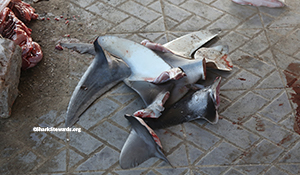
In the Northeast Pacific, adult white sharks annually migrate far from USA and Mexican protection and are vulnerable to being killed as bycatch on international longliners or shark finning on the high seas. This is one of the reasons we celebrate their return to Sanctuary during Sharktober each year!
Read MoreGreat Whites on the Rise
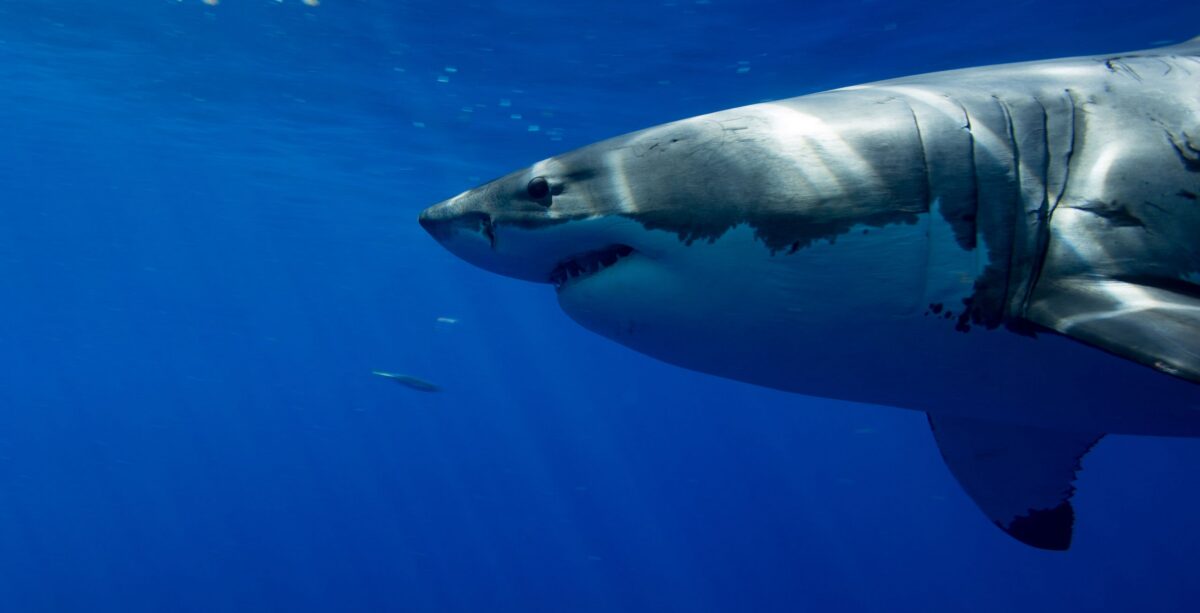
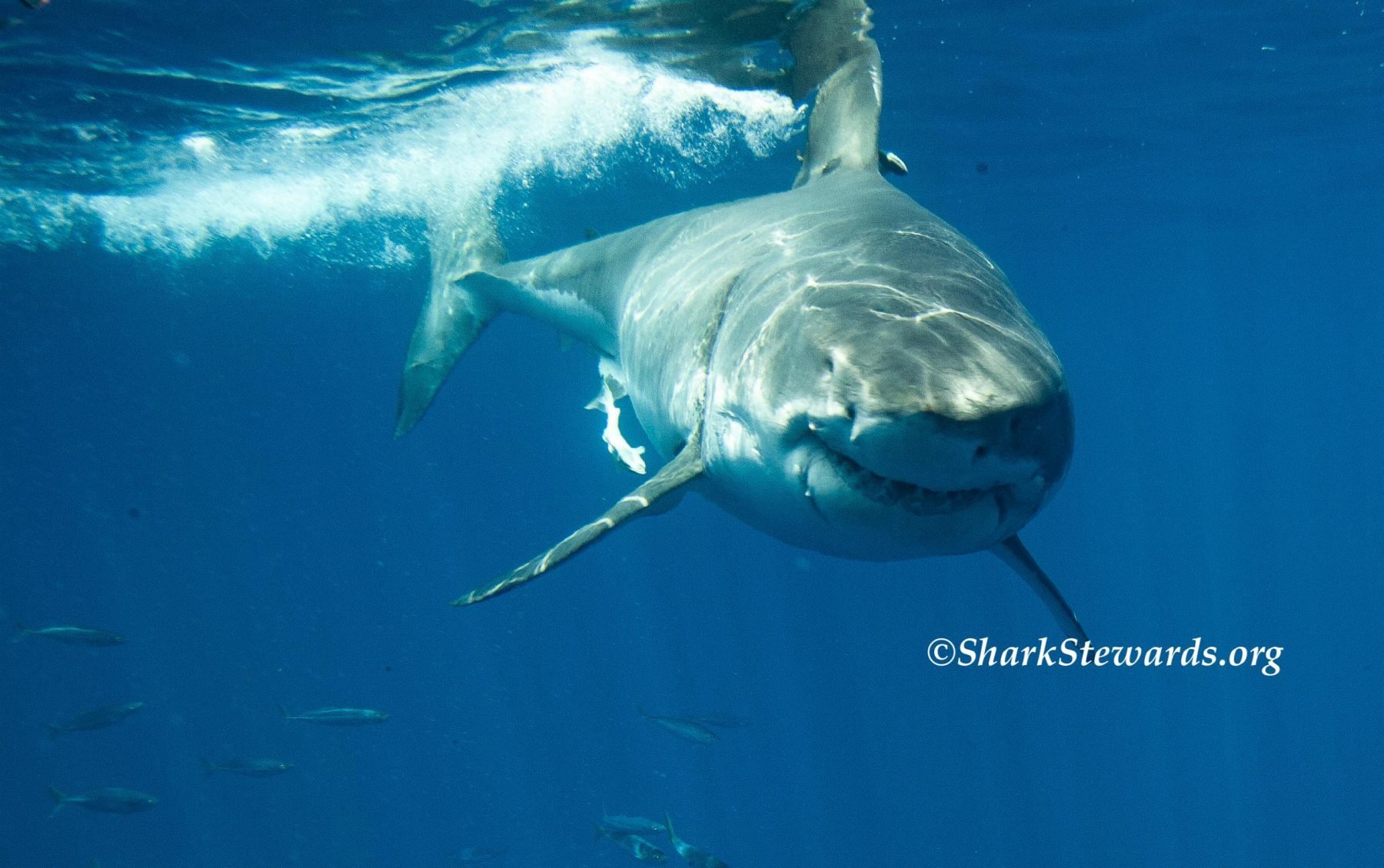
Scientists and shark conservation organizations like Shark Stewards call this period “Sharktober” to describe the period of heightened great white shark (hereafter called white sharks) activity and human encounters along the California coast. As the fall season arrives along California’s coastline, a compelling and cautionary period for ocean-goers occurs when adult great white sharks return to California waters. These fall months coincide with an increase in human -shark interactions and a few, but rare, high profile human shark interactions, (aka shark attacks.) Here we discuss the incidence of great white shark human interactions* along the West Coast of North America, the relative risk and how to avoid becoming the next statistic.
Read MoreSHARKED Act in Senate Committee- Act Now
Reintroduced into the House in spring 2024, the Supporting the Health of Aquatic systems through Research Knowledge and Enhanced Dialogue Act of 2025 is supported by the recreational fishing industry and lobby bemoaning shark depredation on their catch. The bill could could have serious impacts on shark populations in all US waters. While ostensibly having Congress create a task force to examine shark depredation and human interactions, it has the potential to open protected areas or fishing for sharks. Without little scientific merit or credible support, the SHARKED Act language is a thinly veiled approach to open fishing on protected species and greenlight shark culls, tournaments and sportfishing for sharks in US waters.
Read More