
As 2024 draws to a close, I want to share with you the remarkable impact your support has made in protecting our ocean’s most misunderstood and vital predators. Over the past year, Shark Stewards has expanded our reach from the classroom to the deep blue, creating lasting change for shark conservation and marine protection.
Like a pelagic shark, Shark Stewards is lean, mean and highly effective!
Ocean Sustainability: Bridging Perspectives for a Shared Future

12/12/2024 Guest Post for Shark Stewards By: Vivian Guido Ocean sustainability is the cornerstone of global environmental health and the foundation of countless ecosystems, economies, and cultures. In recent years, […]
Read MorePutting the Blue Into Black Friday
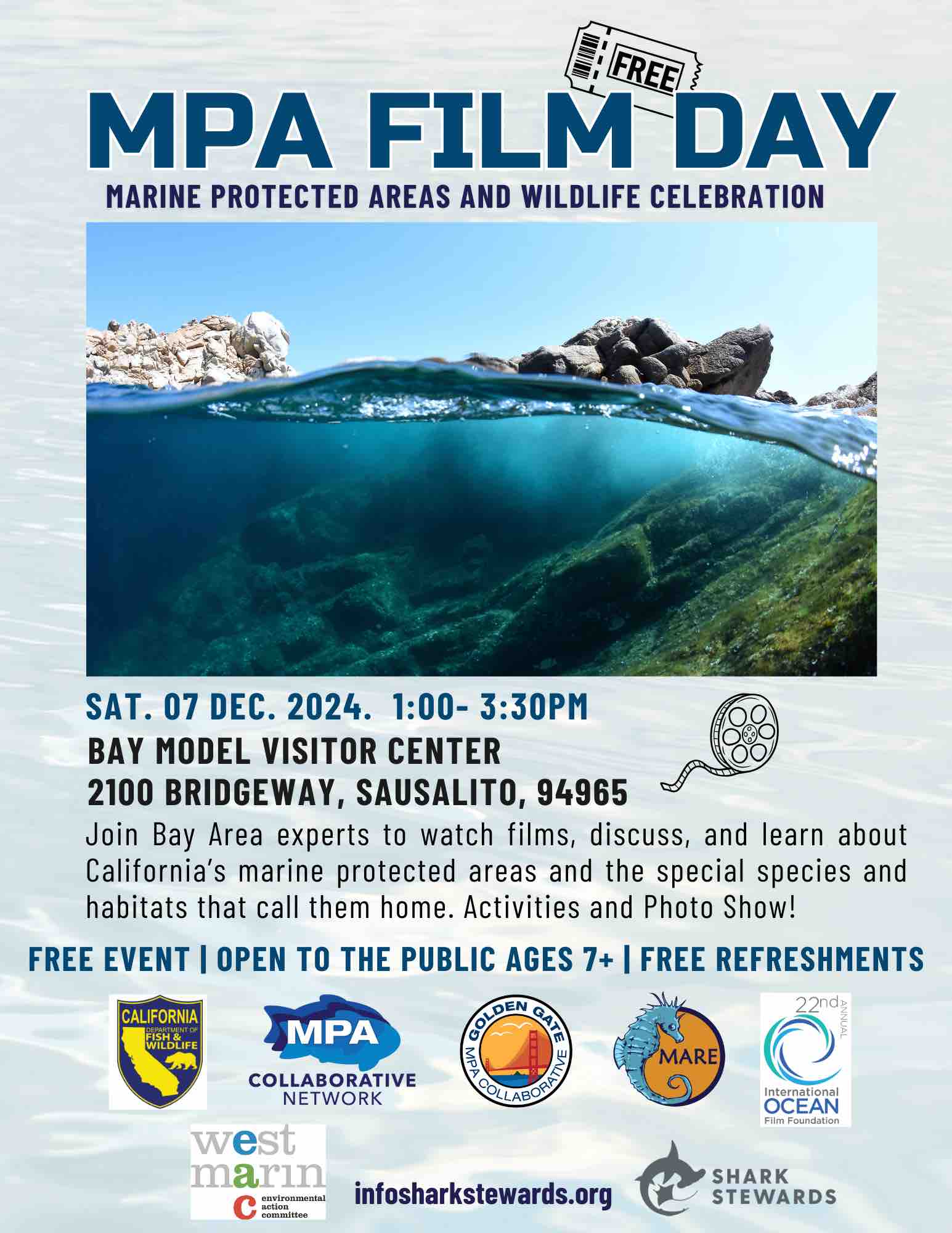
Join Shark Stewards with our Golden Gate MPA Collaborative for a day of films and information on marine wildlife and habitat protection.
Read MoreAre Sharks Really the Apex Predators?
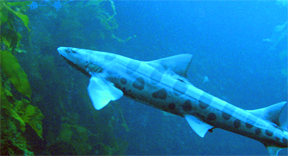
Many species of sharks are considered apex predators in the marine ecosystems they inhabit. Apex predators are usually defined in terms of trophic dynamics, meaning that they occupy the highest […]
Read MoreLily Byrne Runs For Sharks
Our newest science team member Lily Byrne is a recent Cum Laude graduate from Colorado College with a Bachelor of Arts in Organismal Biology and Ecology and a minor in […]
Read MoreBay Nature Talk: Sharks of the California Coast

Learn about shark migration, behavior, and diversity along the California coastline with David McGuire, founder of Shark Stewards, a shark conservation nonprofit dedicated to saving sharks and protecting critical marine habitat.
Read MoreICCAT Fails to Protect Atlantic Sharks
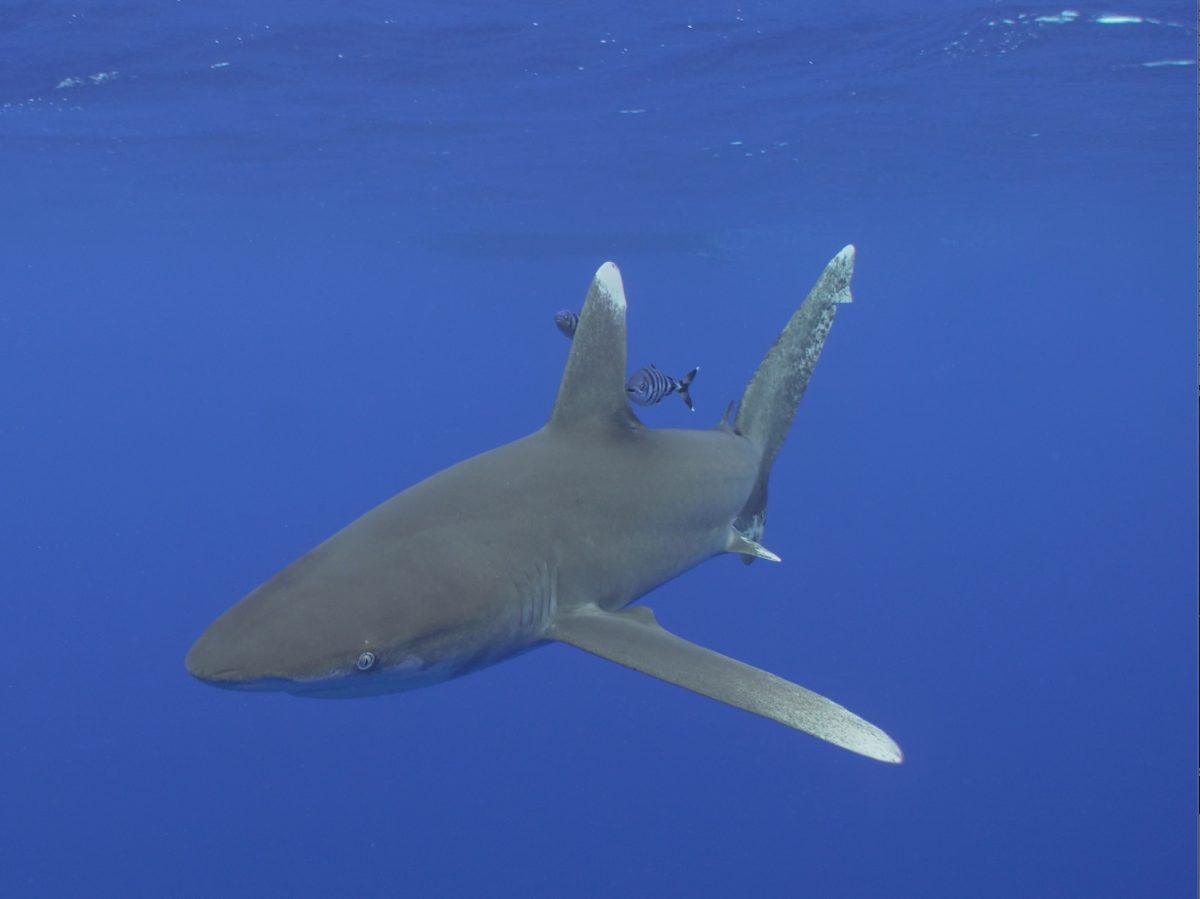
Last week, the annual meeting of the International Commission for the Conservation of Atlantic Tunas (ICCAT) in Cyprus ended with a failure to pass loopholes over shark finning.
Read MoreSharktober News

Saving Sharks and Protecting Marine Habitat- Sharktober news 10/31/2024
Read MoreNew Study Reveals Remnant White Shark Population in Med.
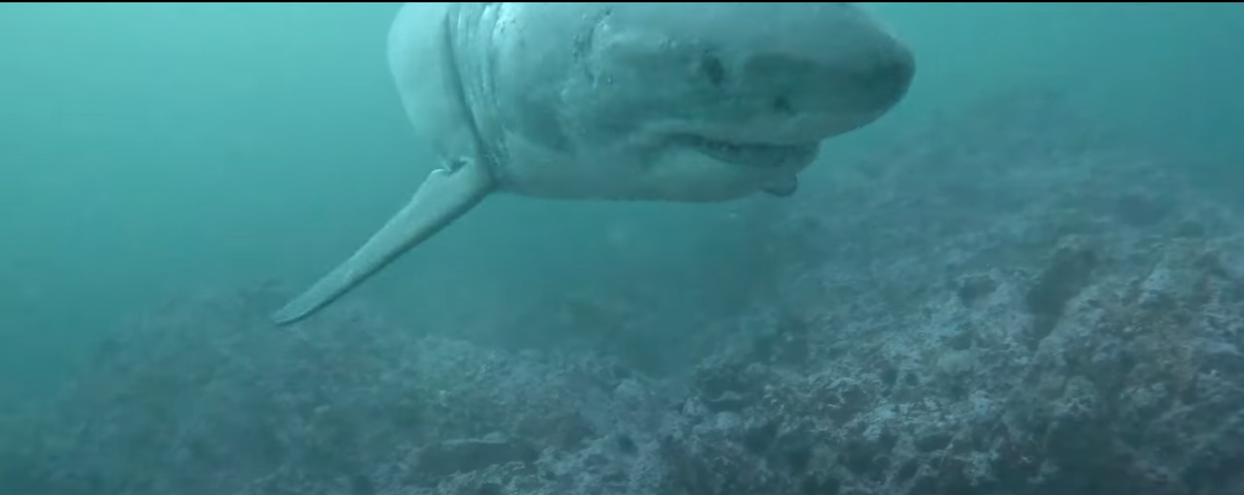
A team of scientists has discovered one of the last remaining white shark populations in the Sicilian Channel, of the western Mediterranean Sea.
Read MoreSupport Pacific Island Marine Sanctuaries
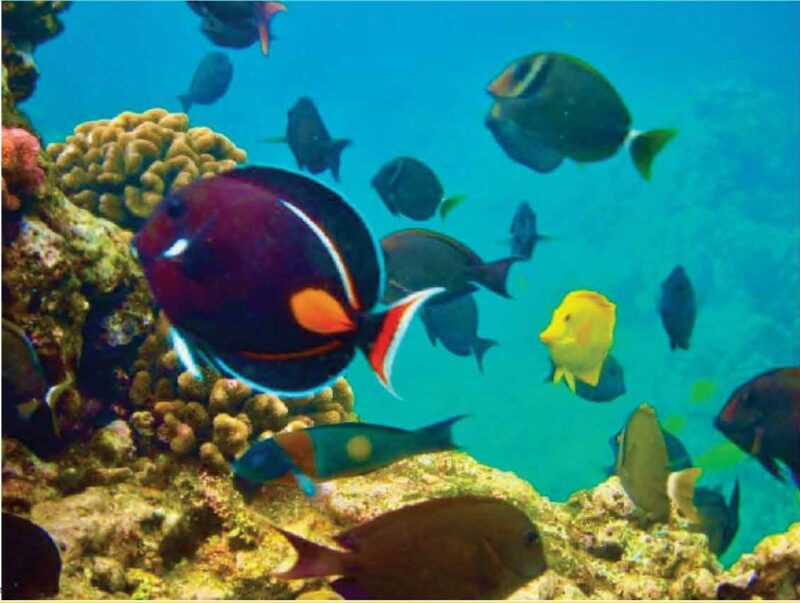
In the next three years we have our sights on increasing marine protection in US waters through the creation of two new National Marine Sanctuaries: one in California with the Chumash Heritage National Marine Sanctuary, and one in Hawaii with the creation of the Papahānaumokuākea National Marine Sanctuary. Creating the proposed Papahānaumokuākea National Marine Sanctuary within the Papahānaumokuākea National Marine Monument and the Pacific Remote Islands National Marine Sanctuary (PRINMS). These Sanctuary designations will provide stricter protection and can avoid challenges from future administrations stripping marine and cultural protection for resource extraction.
Read More