
In June, NOAA’s National Weather Service officially reported the onset of an El Niño pattern supporting predictions of an extreme weather disruption dubbed the “Super El Niño” in fall and winter of 2026/2027. So what can we expect this fall in the Gulf of the Farallones and along the Bay Area Coastline?
Read MoreEmergency Shark Fishing Regulations- Make Permanent
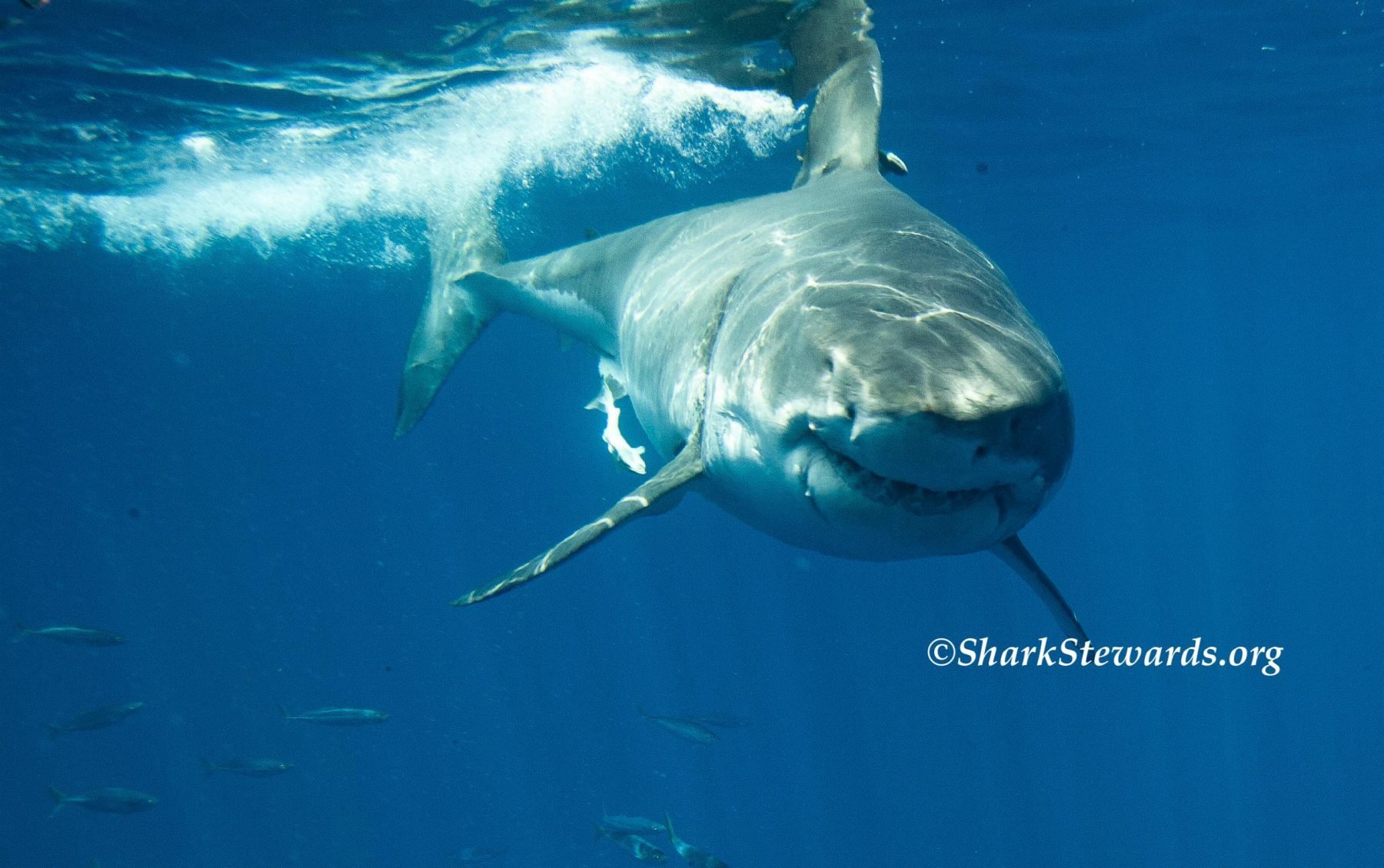
On June 17, the California Fish and Game Commission voted unanimously to approve an emergency regulation to strengthen restrictions on fishing gear, in order to improve public safety and prevent fishers from illegally targeting white sharks near California beaches and piers.
Read MoreGlobal Shark Attacks at Norm in 2025

Global shark attacks were higher in the year 2025 over 2024 reports the Florida Museum of Natural History’s International Shark Attack File (ISAF). Despite the attention it gets when an incident involving a shark and human occurs, shark populations are decreasing globally.
Read MoreHope for the High Seas- New Global Treaty Signed

In the Northeast Pacific, adult white sharks annually migrate far from USA and Mexican protection and are vulnerable to being killed as bycatch on international longliners or shark finning on the high seas. This is one of the reasons we celebrate their return to Sanctuary during Sharktober each year!
Read MoreSharktober Cleanup and Activity, Aquatic Park
Join Shark Stewards and science team for our annual Sharktoberfest celeabration of sharks and ocean health.
Support sharks and ocean health! We are preparing to make a statement in defense of the Sanctuaries Act, the Marine Mammal Protection Act and the Endangered Species Act, all under threat.
Join us making signs and costumes to peacefully protest at the University Overpass on No Kings Ocean Day October 18.
Education, science and clean up and survey, Aquatic Park, Berkeley CA
Sharktober- Devil’s Teeth Farallon Island and Wildlife Adventures

Sharktober Farallon Island Adventure
It’s Sharktober! Join Shark Conservationist and Naturalist David McGuire and other wildlife specialists celebrating sharks in a life-changing experience searching the Gulf of the Farallones for whales, wildlife and our finny friends.
Join us exiting beneath the Golden Gate on the US Coast Guard certified vessel AMIGO, for amazing photo and wildlife opportunities and crossing 28 miles across the Gulf of the Farallones National Marine Sanctuary on a modern day Natural History expedition.
Read MoreAre Sharks Really the Apex Predators?
Many species of sharks are considered apex predators in the marine ecosystems they inhabit. Apex predators are usually defined in terms of trophic dynamics, meaning that they occupy the highest […]
Read MoreBay Nature Talk: Sharks of the California Coast

Learn about shark migration, behavior, and diversity along the California coastline with David McGuire, founder of Shark Stewards, a shark conservation nonprofit dedicated to saving sharks and protecting critical marine habitat.
Read MoreSharktober Scary (but Funny) Film Night
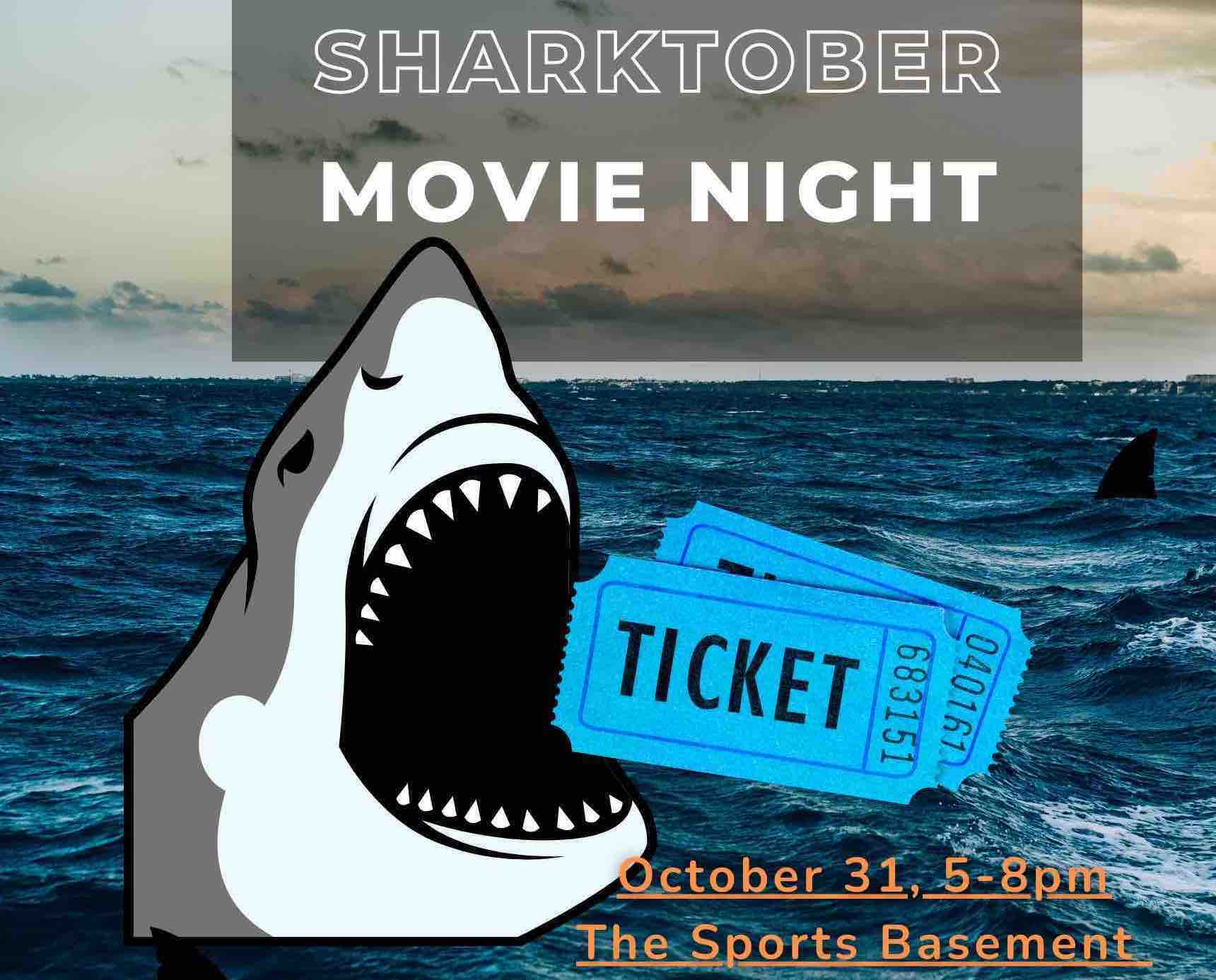
Join Shark Stewards in our annual Sharktoberfest celebration with free films, costumes and candy and scary shark fun on Halloween at the Sports Basement, Berkeley.
Read MoreNew Study Reveals Remnant White Shark Population in Med.
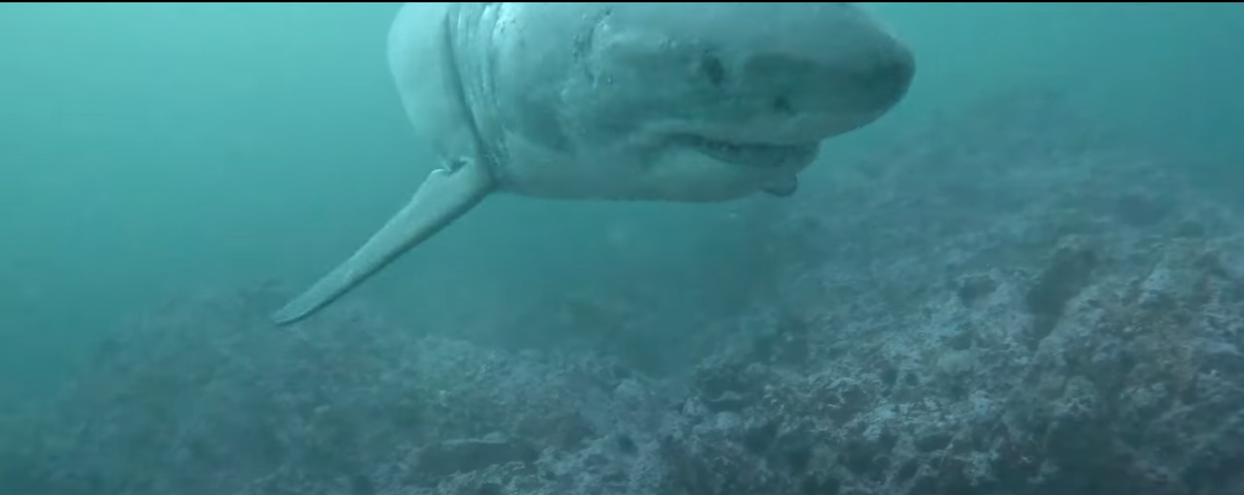
A team of scientists has discovered one of the last remaining white shark populations in the Sicilian Channel, of the western Mediterranean Sea.
Read More