
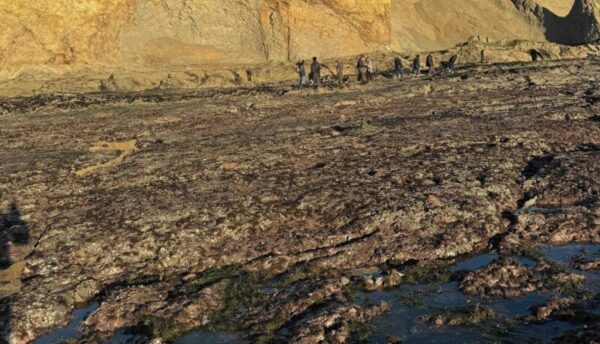
October 20, 2026 by David McGuire Last week, the California Fish and Game Commission decided on 15 petitions adding new marine protected areas (MPAS) or modifying existing MPAs in the State […]
Read MoreFederal Government Placing California’s Coastal Authority at Risk- Comment Today
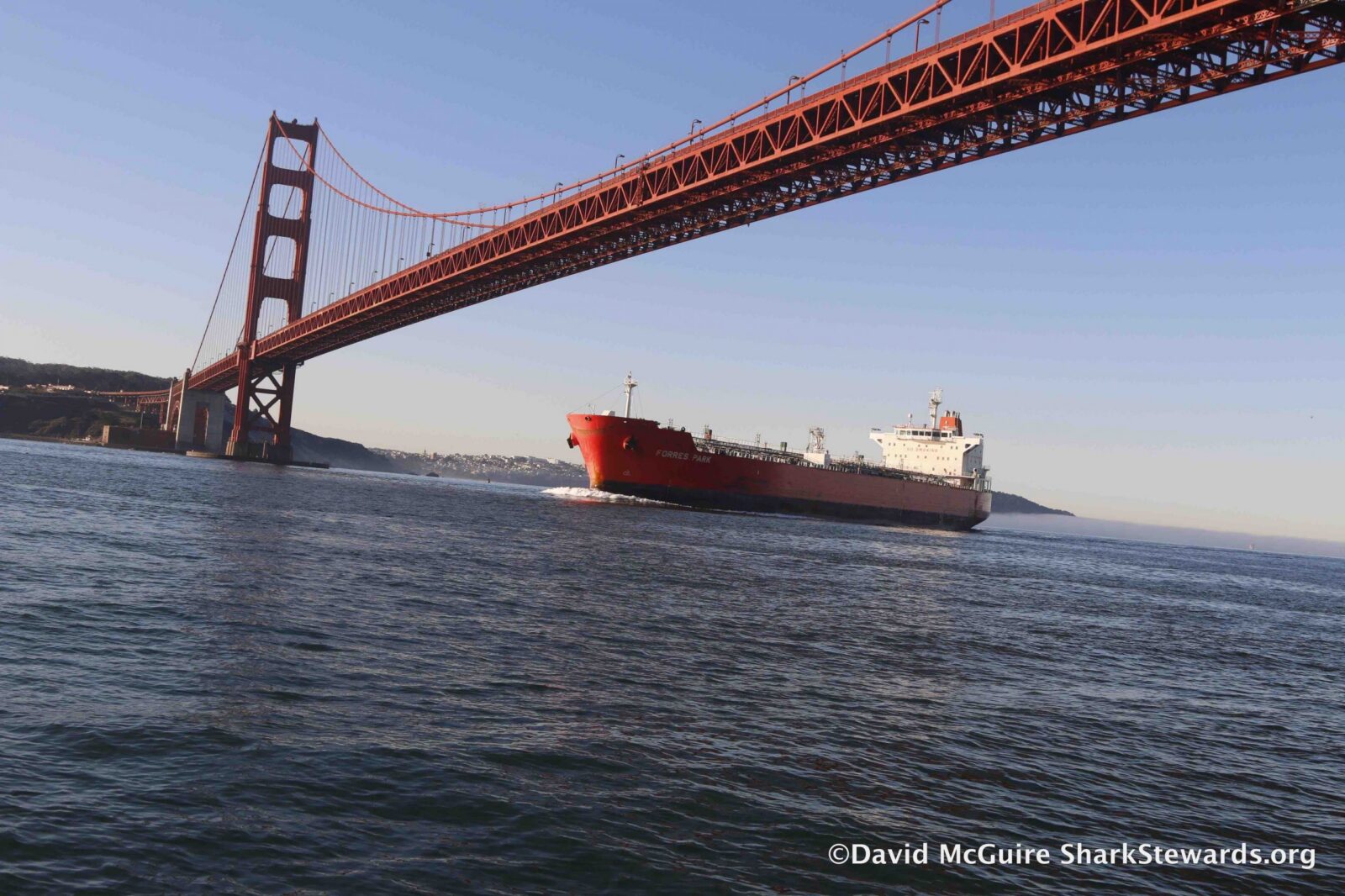
Under the Trump administration’s direction, the National Oceanic and Atmospheric Administration (NOAA) has begun a review of California’s Coastal Management Program. As part of the review, the federal government is seeking public input on offshore oil drilling, pipeline infrastructure, desalination, undersea cables, deep seabed mining, spaceport development and other projects that could shape the future of California’s coast. Tell NOAA that the Coastal Zone Management Program is critical to protect the health and economic vitality of coastal communities
Read MoreEmergency Shark Fishing Regulations- Make Permanent
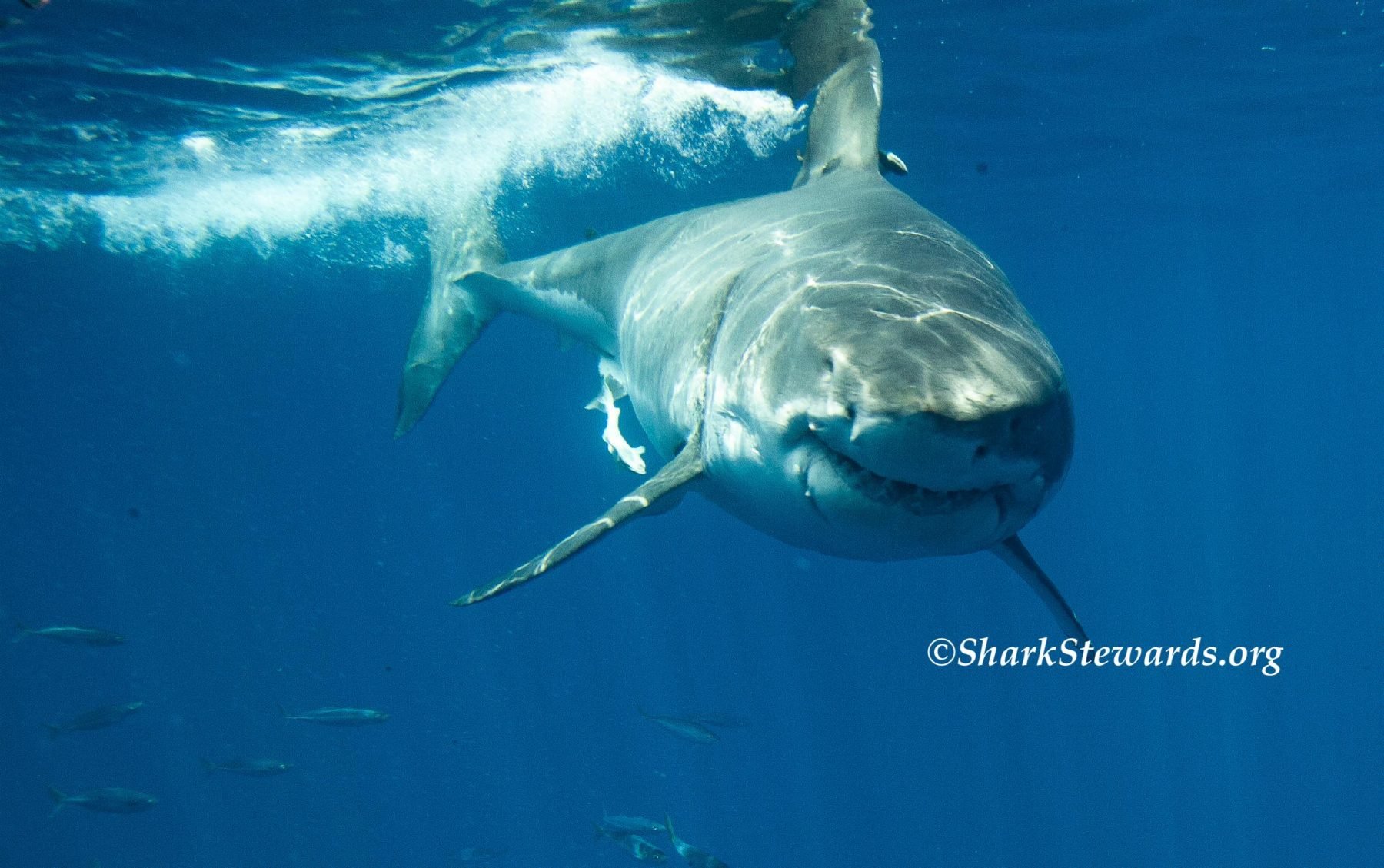
On June 17, the California Fish and Game Commission voted unanimously to approve an emergency regulation to strengthen restrictions on fishing gear, in order to improve public safety and prevent fishers from illegally targeting white sharks near California beaches and piers.
Read MoreCelebrating Sea Slugs- and Sharks?

October 29 is National Nudibranch Day or Sea Slug Day. A day to celebrate nudibranchs, it honors marine biologist Dr. Terry Gosliner, whose birthday is today. Dr. Gosliner, the Senior Curator of Invertebrate Zoology and Geology at the California Academy of Sciences (who literally wrote the book on Nudibranchs), has discovered over 1,000 new species of sea slugs.
Read MoreHope for the High Seas- New Global Treaty Signed

In the Northeast Pacific, adult white sharks annually migrate far from USA and Mexican protection and are vulnerable to being killed as bycatch on international longliners or shark finning on the high seas. This is one of the reasons we celebrate their return to Sanctuary during Sharktober each year!
Read MoreGreat Whites on the Rise

Scientists and shark conservation organizations like Shark Stewards call this period “Sharktober” to describe the period of heightened great white shark (hereafter called white sharks) activity and human encounters along the California coast. As the fall season arrives along California’s coastline, a compelling and cautionary period for ocean-goers occurs when adult great white sharks return to California waters. These fall months coincide with an increase in human -shark interactions and a few, but rare, high profile human shark interactions, (aka shark attacks.) Here we discuss the incidence of great white shark human interactions* along the West Coast of North America, the relative risk and how to avoid becoming the next statistic.
Read MoreThe Devil’s Teeth & Iron Swimmers

Today Catherine Breed—UC Berkeley alum, Bay Area marathon-swimming force, and connoisseur of extreme swims, has completed the SE Farallones to the Golden Gate swim under classic marathon swimming rules (no contact, no suit aids, no music). In calm conditions Breed Catherine Breed became the 7th swimmer and the 4th to swim from SE Farallon Island to the Golden Gate Bridge in 13 hours, 54 minutes- shaving almost 4 minutes off the previous record held by Joseph Locke in 2015.
Read MoreOceanic Blacktips and Swimming for Shark Habitat

Reef sharks determined “Functionally Extinct” on 20% of World’s Reefs. In Hawai’i these sharks are protected, but their habitat is being threatened in the Marine National Monuments under the Trump Administration.
In August, I will be swimming for sharks and maintaining protection in the Pacific Marine National Monuments, including the Papahānaumokuākea Marine National Monument and National Marine Sanctuary. I will also be searching for our local oceanic blacktip shark Bruno.
Save Our Seas, Save Ourselves

On July 12, Shark Stewards hosted a screening of David Attenboroughʻs Ocean and other short films at our annual ocean education event in Kailua-Kona Hawaii. This impactful film premiered at the UN Ocean Conference June 8, 2025. In Ocean, Sir David so eloquently highlights the numerous threats to the ocean and marine life, particularly bottom trawling. A major source of hope at the UN conference and in the film, is the establishment of no-take marine protected areas (MPAs), including the Channel Islands MPAs in California, and the Papahānaumokuākea in Hawaiian waters.
Read MoreShark Week: A Deep Dive or a Light Touch for Sharks

As July 20, 2025 marks the start of Discovery Channel’s 37th annual Shark Week, millions of viewers around the world are gearing up for a another week of shark-centric programming.
Read More