

The shark season is heating up early in 2024, with four incidents in Hawai’i by June. Although Maui has the notoriety of the most shark attacks in the Hawaiian Island chain, all incidents occurred on the island of Oahu thus far according to Hawaii’s Department of Aquatic Resources (DAR). Read how you can avoid getting bitten by a shark and still enjoy the ocean.
Read MoreTen Tips to Avoid a Shark Attack
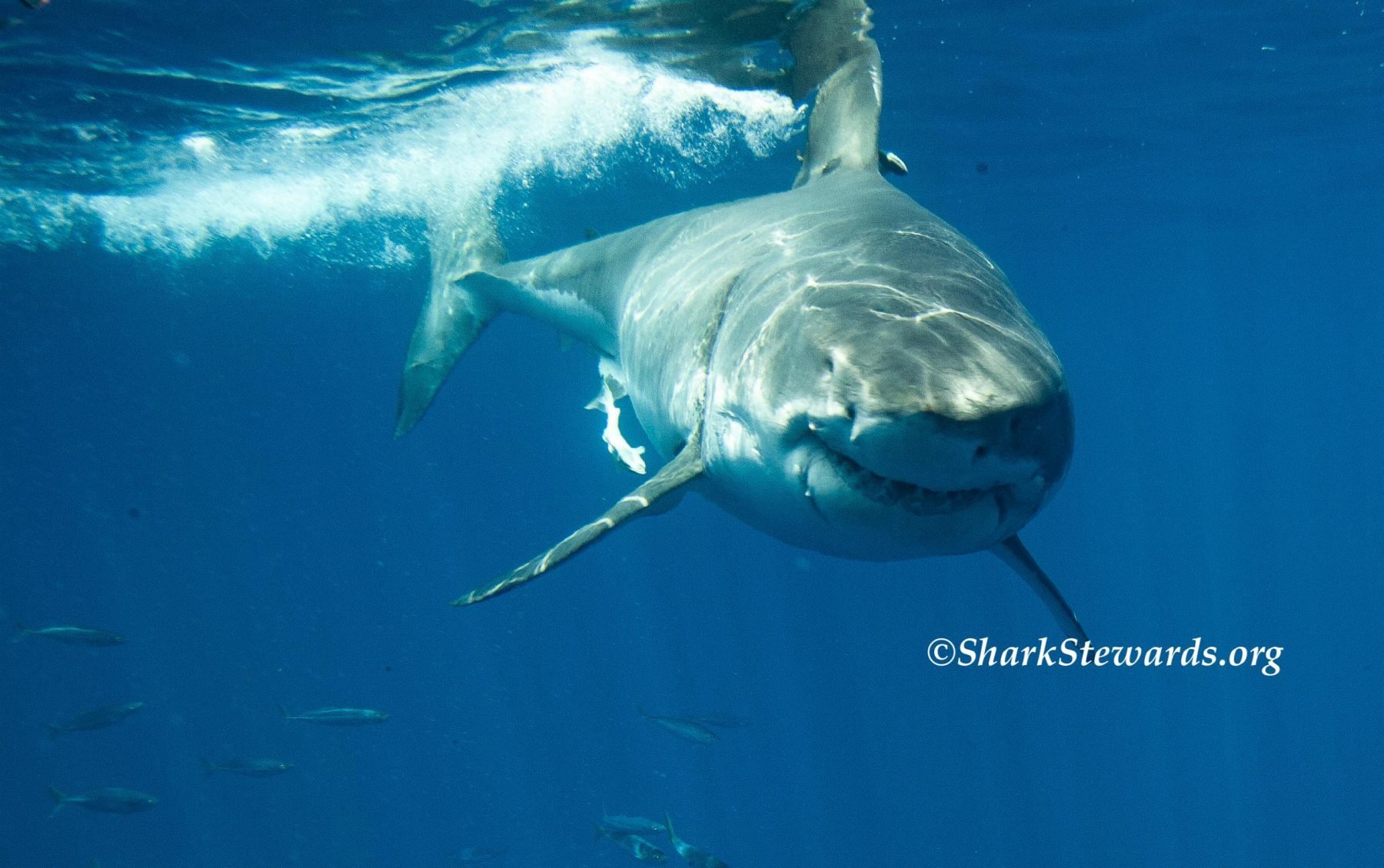
Even in areas with a relatively healthy population of sharks with a extraordinary high ocean use by locals and visitors alike, the risk of shark attack is extremely low. Ocean goers can minimize the risk of a shark encounter by following these tips.
Read MoreHave You Seen A Shark? Shark Week News

Sharks are also in the news since summer months bring more people in contact with waters where sharks swim. Warmer waters bring rays and juvenile sharks closer to shore, with an increased odds that humans and sharks shall meet.
Read MoreThe Tigers of the Sea

While the tiger shark ranks second on the list of number of recorded shark attacks on humans, behind the great white shark, such attacks are few and very seldom fatal. Known as Mano Niuhi in Hawaiian, these sharks are well documented in oral history and Hawaiian cultural lore. There are between two to four shark bites in Hawaiian waters every year, most on the islands of Oahu and Maui.
Read MoreProfile Maria Korcmaros-Run for Sharks

The run for sharks fun run and walk supports our community and underserved youth ocean education. Learn more at Run4sharks.org and sign up to walk, run or volunteer at the 2023 run for sharks and ocean health fair.
Read MoreShark Bite, Encounter, or Attack?

Scott Haruguchi was fishing from his kayak near Kualoa, approximately one mile off the east coast of Oahu when he received a sudden surprise visitor.
Read MoreProvoked Vs Unprovoked- White Shark Kills Sydney Swimmer
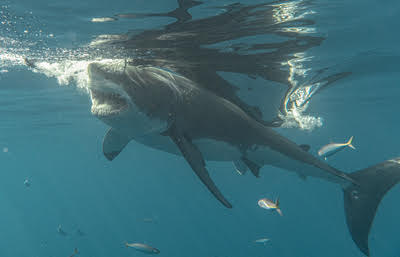
Scientists have hypothesized that sharks can mistake swimmers in wetsuits for seals, their common prey, and an attack is a case of mistaken identity. Swimmers and surfers can reduce their risk of a shark interaction by avoiding areas where shark prey such as seals frequent, signs of wildife feeding, or spots where attacks have been documented.
Read MoreA Swimmer’s Nightmare: the Cookiecutter Shark

Some sharks, like a weird species of dogfish, the cookiecutter shark, (Isistius brasiliensis) are invisible to daytime surface dwellers, but leaves a tell-tale signature bite mark.
First discovered between 1817-1820 by French naturalists Jean René Constant Quoy and Joseph Paul Giamard during an exploratory voyage, the Cookiecutter shark is one of the most bizarre species of shark to rise from the depths.
Read MoreRisk of Shark Attack at Pacifica

Sightings of Great White Sharks occur more often than many locals may expect. Great Whites (Carcharodon carcharias) are responsible for at least 180 out of the 203 shark attacks recorded in California since 1950, and thanks to popular media, most humans have a huge fear of these cold-blooded predators- and rightfully so! There have been a large handful of Great White Shark sightings in California in recent years.
Read MoreWhen the Wiliwili Blooms- Recent Hawai’i Shark Attacks

Two shark attacks in Hawaii leave tourists wondering is it safe to go in the water. “Pua ka wiliwili, nanahu ka manō” is a Hawaiian saying relating to the time in which the wiliwili tree flower is in bloom corresponds with an increased frequency of manō (sharks ) biting humans.
Read More