
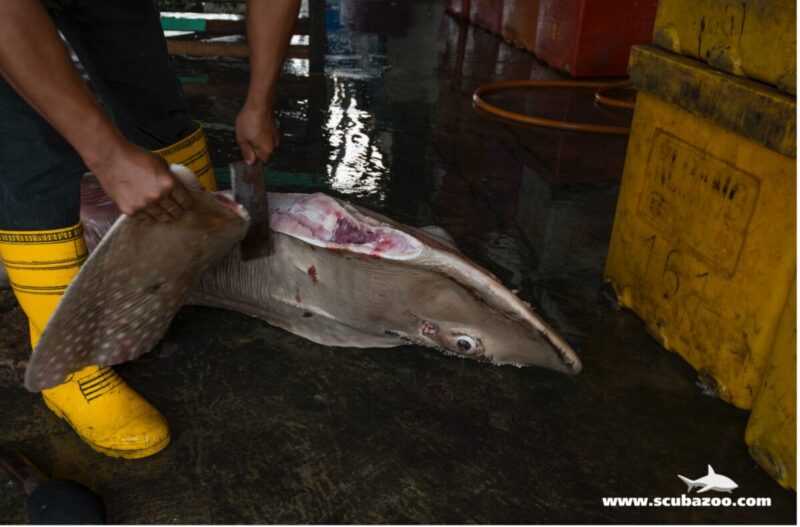
Endangered Species Month Launched as Scientists Warn of Hundreds of Species of Rays and Skates at Risk From Overfishing and Habitat Loss.
NOAA Proposes More Shark Fishing in Atlantic as SHARKED Act Swims in Senate
NOAA Proposes to Increase Atlantic Shark Fishing

NOAA Fisheries has introduced a reckless proposal aimed at relaxing fishing regulations. If approved, these changes will drastically reduce protections for commercial and recreational shark fisheries across the northwestern Atlantic, the Gulf of Mexico, and the Caribbean. Public comment period ends May 29.
Read MoreESA Amendments Vote Killed by Florida Republicans
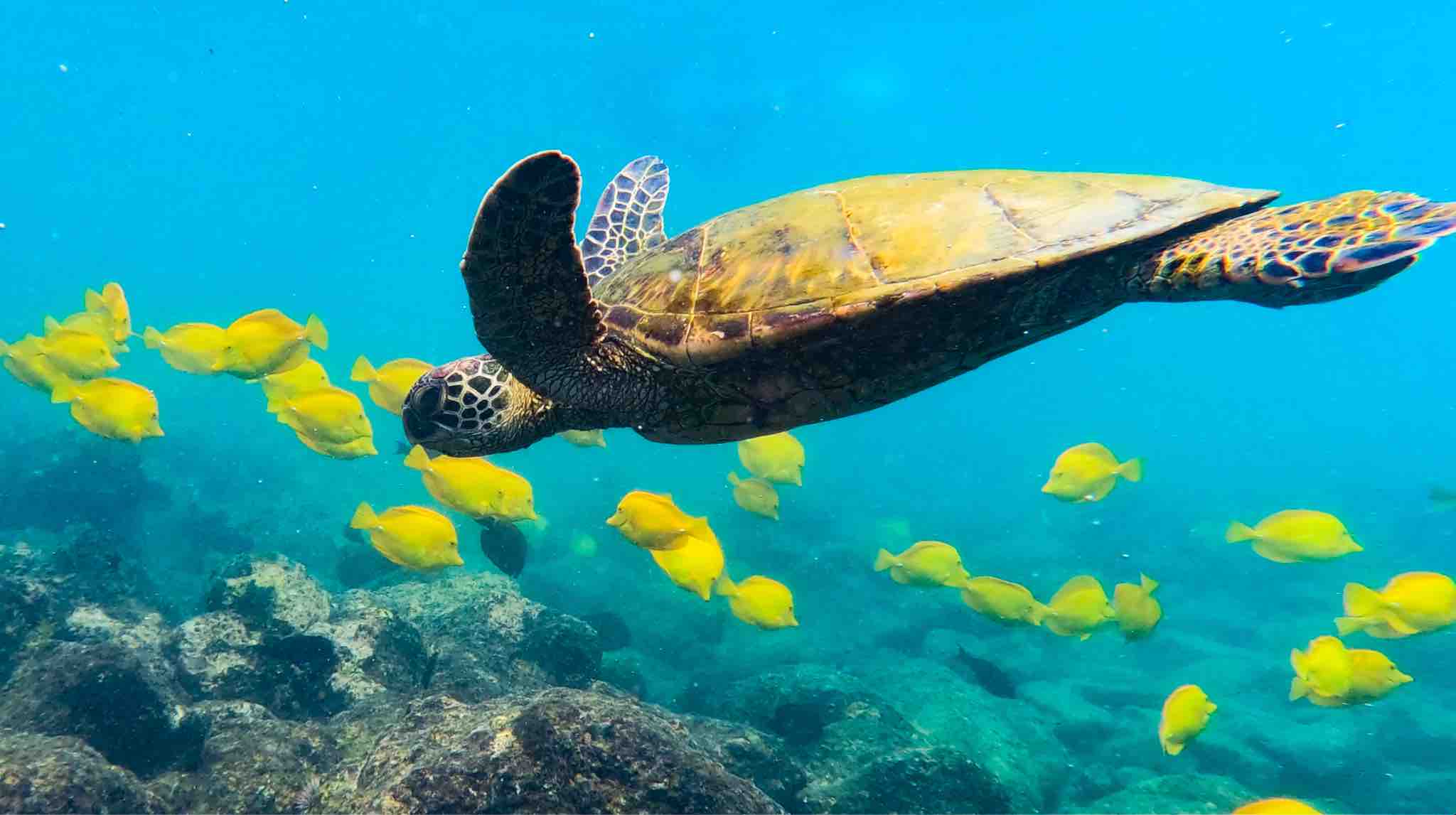
House Republicans abruptly canceled a vote on a Bill that would significantly undermine the Endangered Species Act, scheduled for a House vote on Earth Day April 22. The ESA Amendments Act HR 1897, introduced by Representative Westerman (R-Ark) would weaken the 52 year old law that has protected thousands of endangered species from extinction.
Read MoreSave Willy Act Would Protect Whales in San Francisco Bay
In 2025, 24 whales died in the San Francisco Bay Area according to the California Academy of Sciences, marking this the highest mortality rate in 25 years. Congressman Sam Liccardo (CA-16) introduced the “Save Willy Act,” a bill designed to prevent the deadly ship strikes that are claiming the lives of whales in record numbers.
Read MoreProtecting Our Living Laboratory: Why Duxbury Reef Needs SMR Status

Currently, Duxbury Reef is designated as a State Marine Conservation Area (SMCA). While this offers some protection, it allows for the “limited take” of finfish and abalone. Unfortunately, this “limited” status has created a loophole of confusion and ecological degradation. Working alongside the Environmental Action Committee of West Marin (EAC), we are calling for the redesignation of Duxbury Reef as a State Marine Reserve (SMR) and the expansion of its boundaries to ensure this ecosystem can truly thrive.
Read MoreFederal Court Supports ESA Protection

A federal court struck down Trump’s attacks against the Endangered Species Act (ESA), restoring key values of this essential environmental law to the status it held for decades before the first Trump administration attacked the ESA.
Read MoreSave Our Sanctuaries

We urge the Congress to support our National Marine Sanctuaries and NOAA Staff, and Vote No on HR 361, or any new oil extraction in our Coastal Waters that will affect our National Marine Sanctuaries and Coastal Ocean.
Read MoreDefend the Marine Mammal Protection Act

The Marine Mammal Protection Act is under assault by congress. Contact your House Representative and two Senators. Ask them to block any weakening amendments to the Marine Mammal Protection Act (MMPA) and Endangered Species Act (ESA) in Congress. The legislation is key to protection of wildlife throughout the United States.
Read MoreNew Comments to Tell BOEM NO to Offshore Drilling

The Trump administration’s Department of the Interior is proposing a new 5-Year Offshore Drilling Plan that includes California, the Gulf of Mexico, the previously protected waters off of Florida, and Alaska, including the Alaskan wilderness, where drilling has never been attempted before because of the dangerous risk to sensitive wildlife. Oil spills caused by drilling- like the tragic Deep Horizon in the Gulf of Mexico- will have enduring negative impacts on climate, wildlife and human health. The agency is inviting public comments until Thursday, February 26, 2026.
Read MoreVoices: A Scalloped Hammerhead’s Call from Hawaii

Even though Hawaii’s hammerhead population isn’t currently listed under the ESA, it’s connected to these other populations through migration and genetic exchange. We’re all part of the same species. When hammerheads in the Atlantic or Pacific are killed, it affects the entire global population.
This is why we need the ESA to remain strong: sharks in all waters should be protected like the hammerheads of Hawaii. We shouldn’t have to wait until a population is on the brink of extinction before we act. We should protect all populations, in all waters, before it’s too late.
Read More