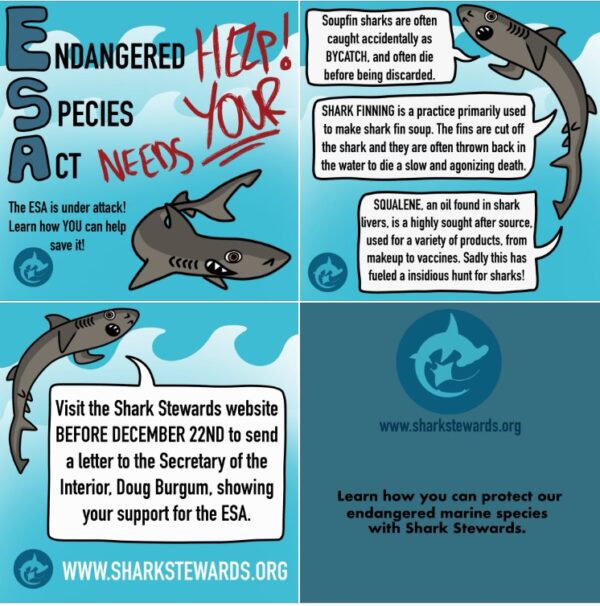
The story of the Southern Sea Otter (Enhydra lutris nereis) is a compelling narrative of near-extinction, resilience, and the critical role of conservation law. Once thought to be lost forever, this charismatic marine mammal has staged a remarkable comeback, largely thanks to the protections afforded by the Endangered Species Act (ESA). The Endangered Species Act is Now at Risk- Act Now!
Read MoreDefending US Marine Protected Areas
The islands and reefs of the USA Pacific Marine National Monuments are some of the most remote and healthiest protected coral-reef marine ecosystems in USA waters, even the world. These large, rich, biodiverse marine ecosystems have been protected for nearly two decades under 4 presidents of both parties. These marine protected areras are now at risk to being opened to commercial fishing interests under executive orders by the Trump Administration.
Read MoreConservation of sharks: safeguarding the apex predators of the ocean
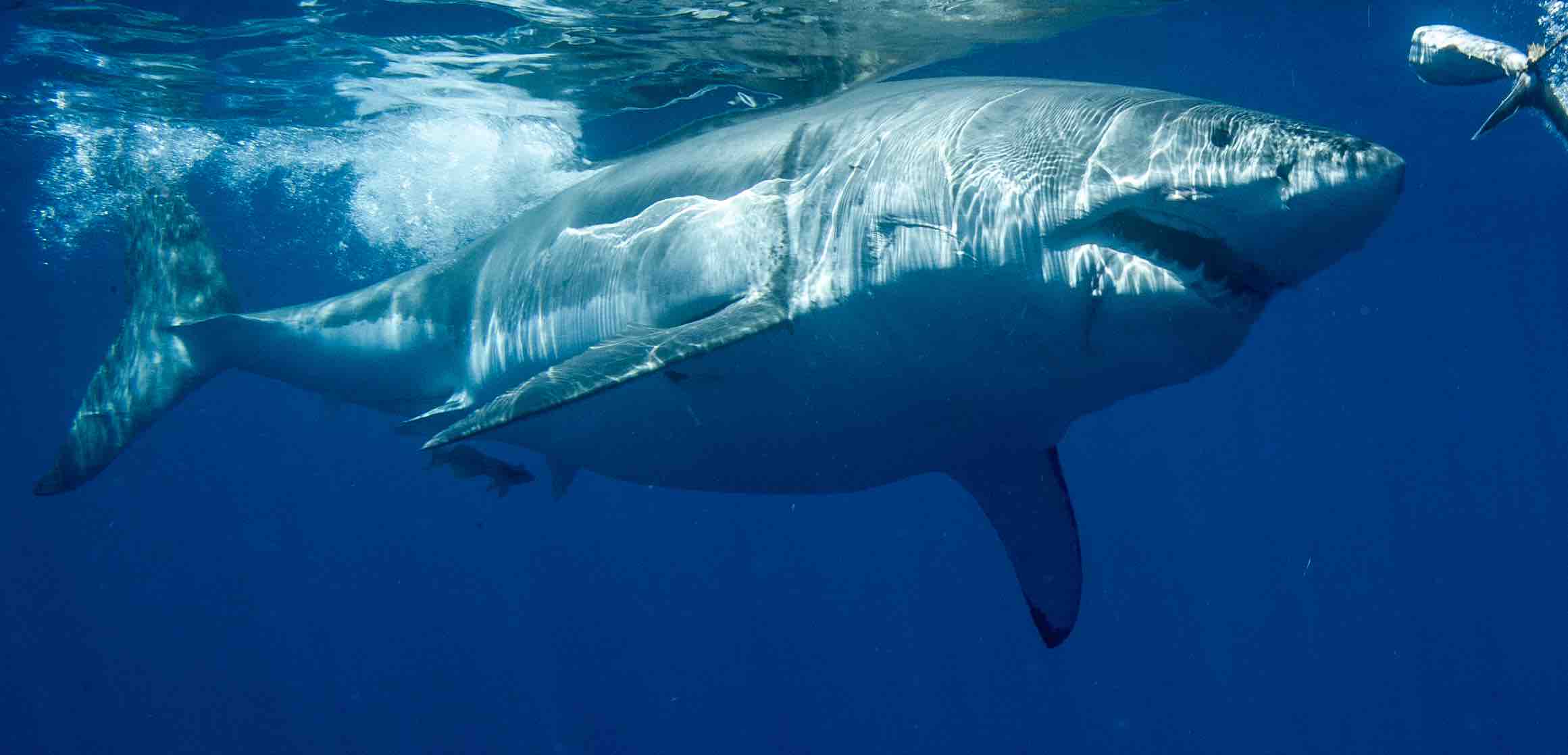
The conservation of sharks is not just about saving a single species; it is about preserving the entire marine ecosystem. By recognizing the intrinsic value of sharks and taking action to protect them, we can secure a future where these fascinating creatures continue to roam the oceans for generations to come, and even keep the oceans a healthier place.
Read MoreNew Study Shows Sharks are at Greater Risk of Extinction Than Previously Believed
Recent work builds on previous studies that many shark species are in deep decline and their loss can have dire consequences on reefs and marine ecosystems.
Read MoreSharks: The Elders of the Ocean
Sharks: The Elders of the OceanChristina Briegleb Dinosaurs have long fascinated scientists, eager children, and curious adults alike. As relicts of the past, they have captivated our imagination and we […]
Read MoreNew Study- Eating Sharks Bad for Humans, Bad for Hammerhead Sharks
Scientists evaluate the health risk assessment of globally consumed shark meat and shark fins.
Eating shark meat and shark fins are bad for sharks, but it is also bad for human health.”
Read MoreGreat Whites Competitors, Not Children of Megalodon
If the great white was eating the same kinds of prey, then perhaps the smaller sharks competed with the megalodon for food. If so, they might have contributed to its eventual demise, alongside potential changes in other aspects of the ecosystem, like climate. This evidence helps to support the theory that competition with the great white, might have been one factor that removed the mighty megalodon forever from the high seas.
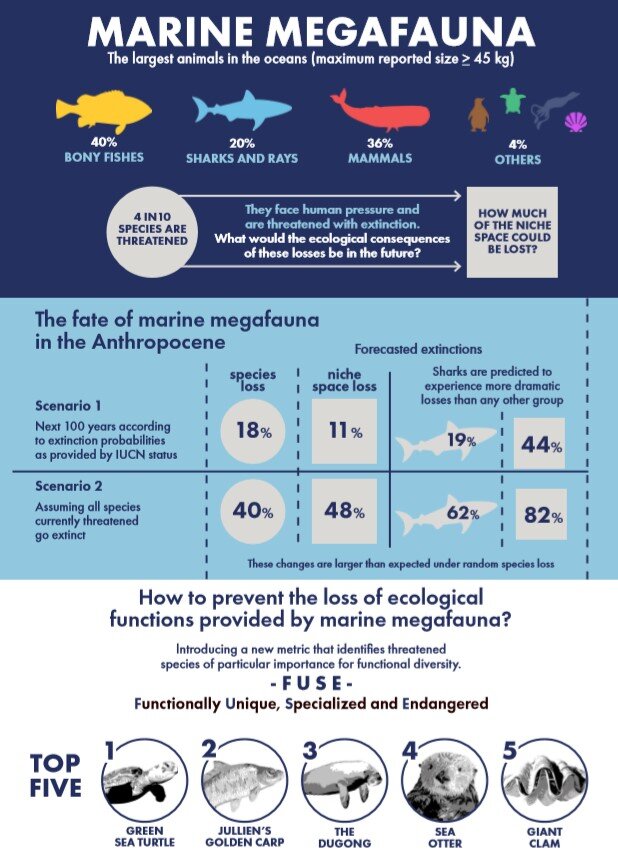
Read MoreImportance of Saving Marine Megafauna to Health of Ecosystems and Biodiversity
Scientists Forecast Dire Consequences for Marine Ecosystems at Current Trends of Extinction, Loss of Sharks Have Greatest Consequence An international team of researchers examined the roles of marine megafauna species […]
Read MoreSaving Endangered Marine Megafauna From Extinction
A conversation on sharks, mantas, whales and the Endangered Species Act. Watch the entire program Facebook Live discussion at 4PM PDT, Q/A with experts on manta rays, whales, sharks, sea […]
Read MoreWorld Aquatic Wildlife Day
Join Shark Stewards celebrating and protecting ocean life on
World Aquatic Animal Day
This year’s theme is The Impact of Our Human Activities on Aquatic Animals