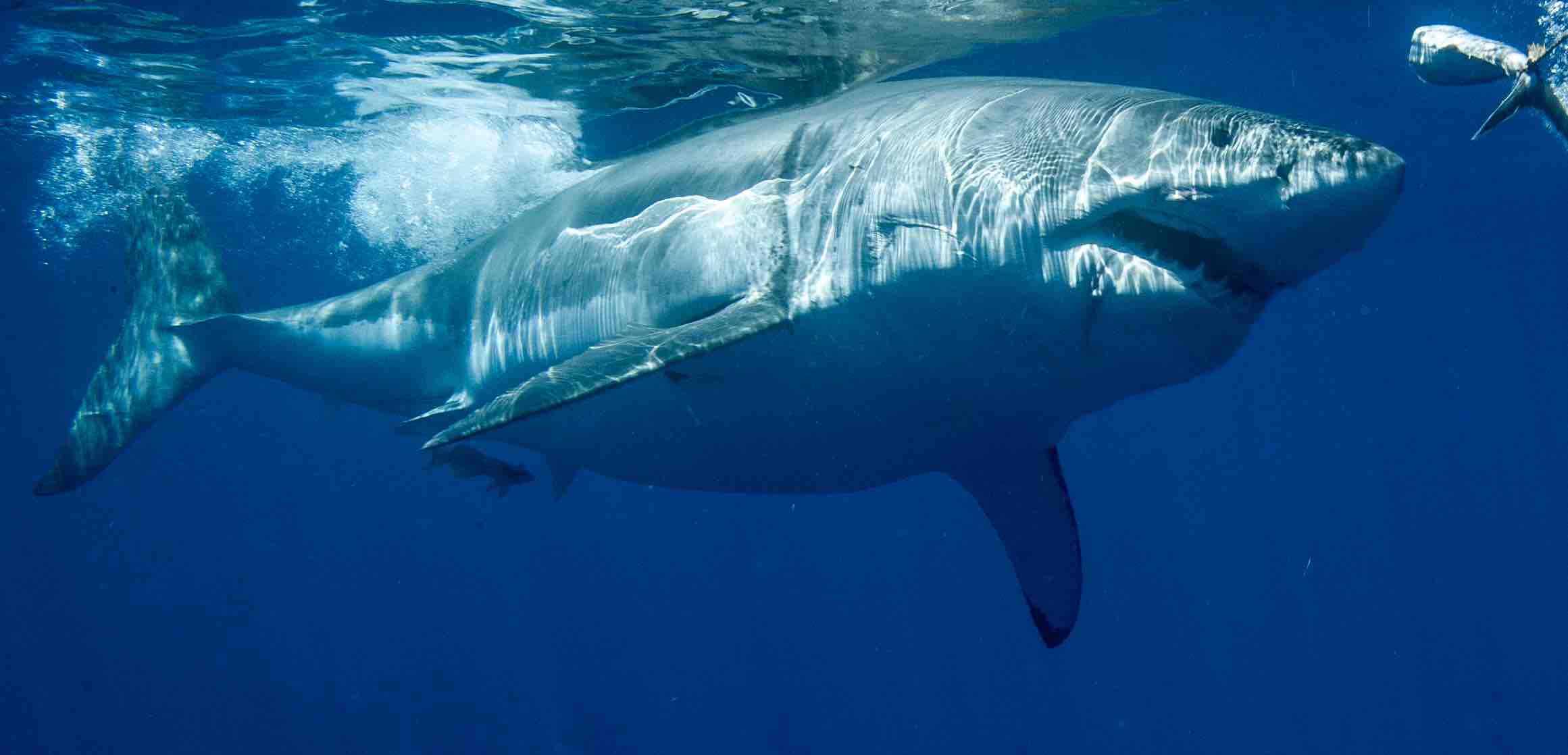
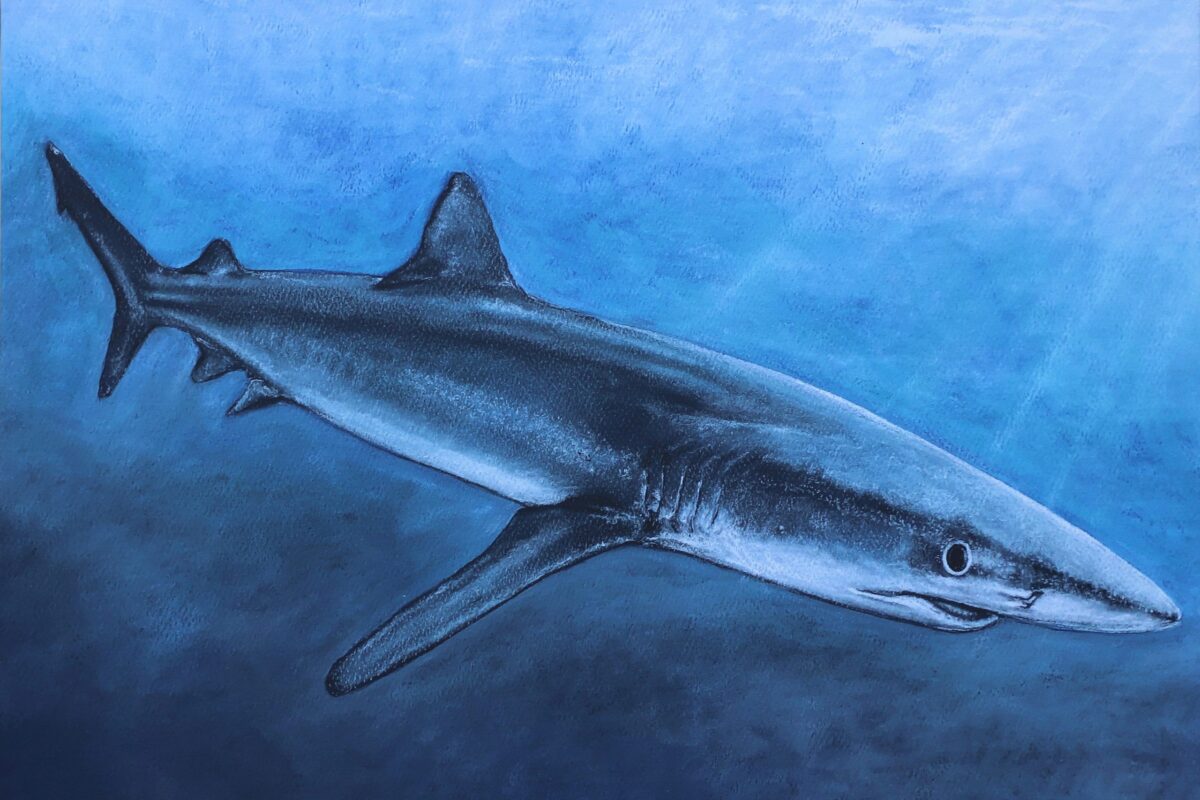
Join Shark Stewards Director David McGuire and Southern California Chair Maria Korcmaros for a conversation on shark attacks, diving with sharks and saving them.
Images and short film from recent work with Tiger sharks in Hawaii, and international shark conservation work with shark stewards.
Looking west on a clear San Francisco day a smudge of jagged peaks can be glimpsed on edge of the horizon. A rugged archipelago of wind and wave-worn rocks form the Farallon Island chain. Located 30 miles from shore, Farallones composed of SE Farallones (the tallest), Middle Rock, the Island of St James to the North, and Noon Day rock, the islands host a history of shipwreck, murder and the birth of millions of seabirds and seals. Known as the islands of the Dead by the native Miwok, who viewed them but did not leave any evidence of visitation, the islands have a rich and sometimes tragic history of human occupation.
Journey Into the Greater Farallones National Marine Sanctuary Join Shark expert David McGuire on a unique exploration into the Gulf of the Farallones, observing, photographing and recording marine wildlife from seabirds […]
Sure, the photography is incredible and the content is exciting on Shark Week, but most of us who actually spend our time in the ocean already know that sharks are cool, and humans are the ones to be feared, not the sharks.
Shark Awareness Day, a day created to dispel myths about sharks and to raise awareness about the importance of sharks to the ocean. It is a day to recognize the power and beauty of sharks and their importance to ocean ecosystems.
It is also a day to inspire action and save many species of sharks and rays from their imminent extinction.
Join Shark Stewards and the Greater Farallones National Marine Sanctuary celebrating sharks and all marine life in our National Marine Sanctuary. Now in our 12th year, we will be hosting shark education and activities and shark film night with the International Ocean FilmFestival.
If the great white was eating the same kinds of prey, then perhaps the smaller sharks competed with the megalodon for food. If so, they might have contributed to its eventual demise, alongside potential changes in other aspects of the ecosystem, like climate. This evidence helps to support the theory that competition with the great white, might have been one factor that removed the mighty megalodon forever from the high seas.
Sharks are killed at an alarming rate, their death affects the sea population around them, and they are lacking support based on false man-eating narratives. In an article by Global
On September 25, 2017, Hang Hing Herbal Medicine Ltd. imported a shipment containing 22 bags of processed shark fins, declared as fish bone, into Richmond, BC. The Canada Border Services Agency noted that the shipment contained wildlife products and referred it to ECCC Enforcement. Wildlife enforcement officers inspected the shipment and concluded that the products, declared as fish bone, were in fact shark fins. DNA testing was used to determine that the shipment contained two species of shark, one being a CITES Appendix II-listed species, Carcharhinus longimanus (oceanic whitetip shark). An importer must obtain a permit from the country of export before importing an Appendix II species into Canada. No permit to import the 12, 984 Oceanic Whitetip Shark fins had been obtained.